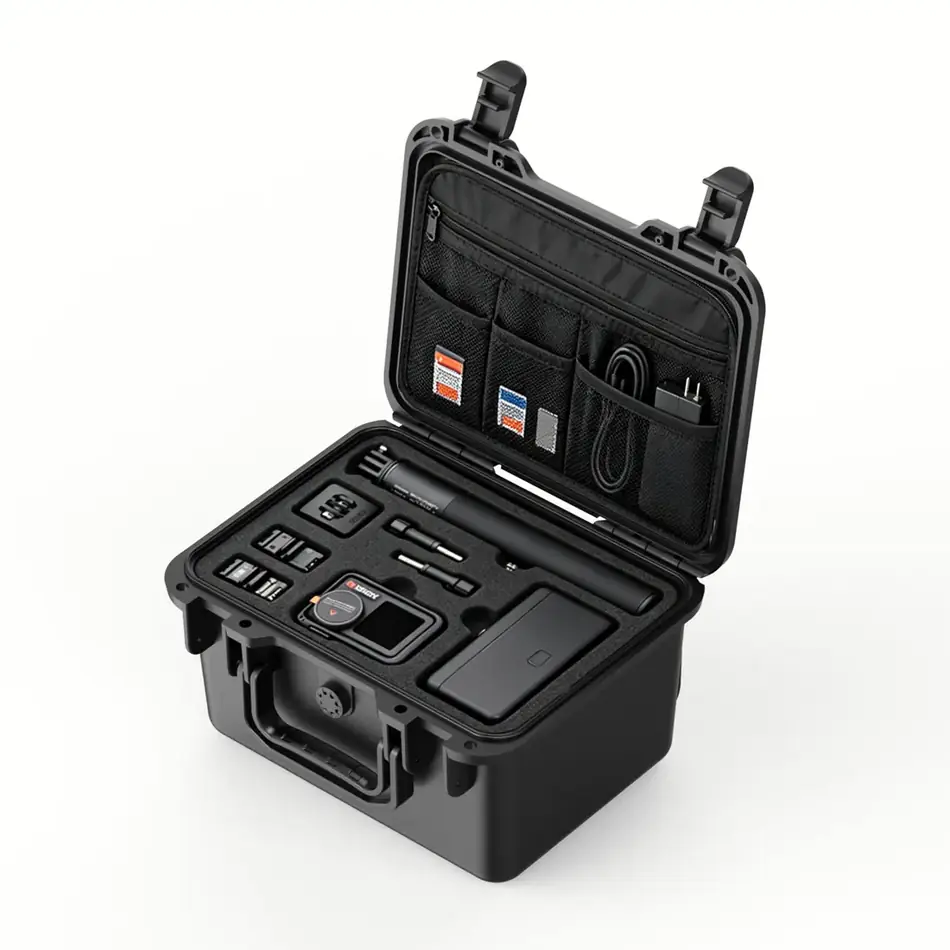
Protecting Electronics and Instruments
Electronic assemblies rarely fail from a single large impact. They fail from repeated small shocks, from a connector that carried load, and from dust in an interface.
Electronic assemblies rarely fail from a single large impact. They fail from repeated small shocks, from a connector that carried load, and from dust in an interface.
Three separate protections
- Shock: base foam thickness and grade chosen from the packed mass, not from a blanket rule
- Dust: a continuous rim and enough latches to keep it compressed through a temperature cycle
- ESD: an anti-static or conductive foam grade, specified as a material, never as a coating
Layout rules we apply
The chassis carries the load. Connectors, antennas, knobs and heat-sinks are unloaded in every cut. Cables are coiled to a fixed diameter in their own channel. Anything that can abrade a finished surface is separated by a wall of foam rather than by distance.
Cases used in this sector
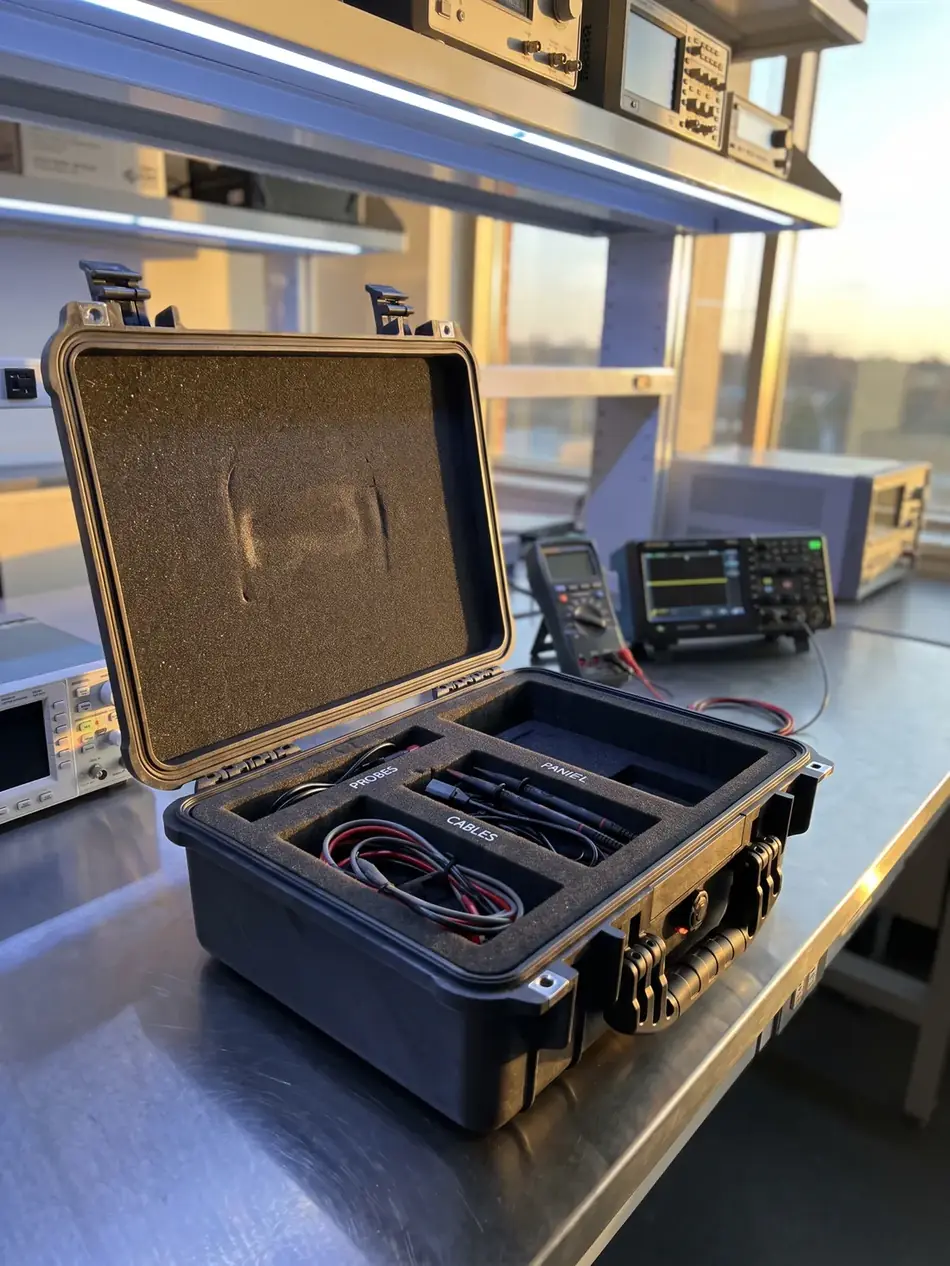
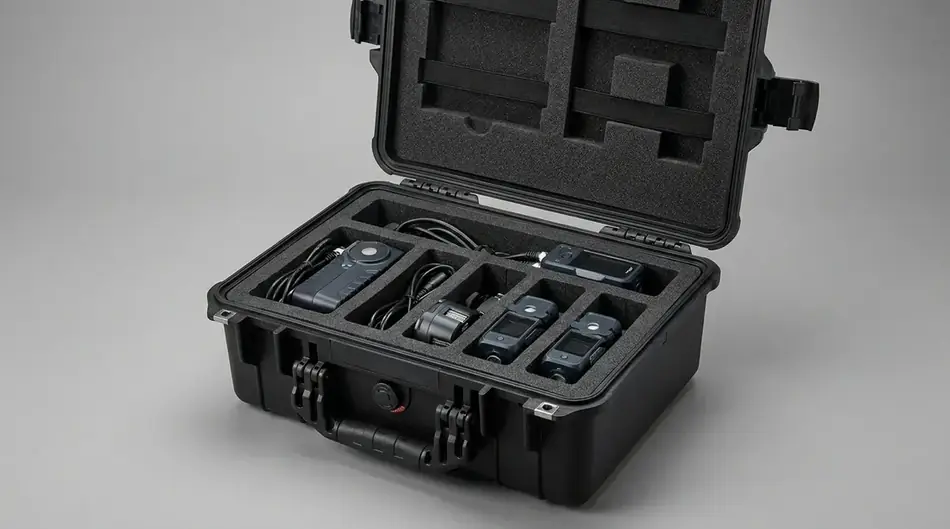
Shells that fit Electronics & Instruments work
Ranked by internal volume.
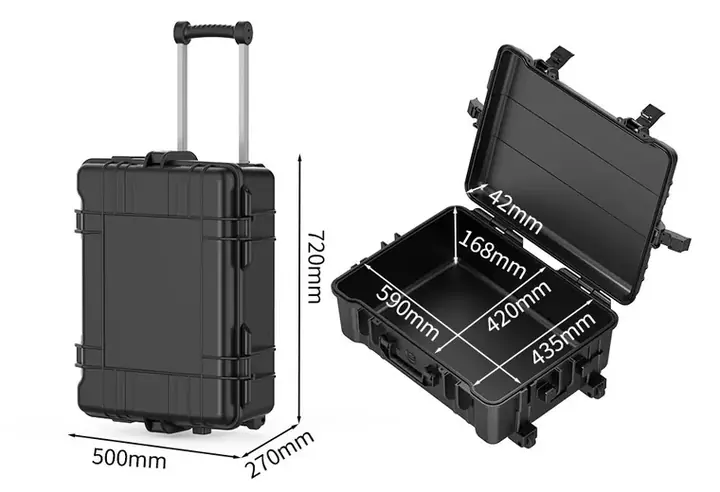
T Series Protective Case
External 720 × 500 × 270 mm
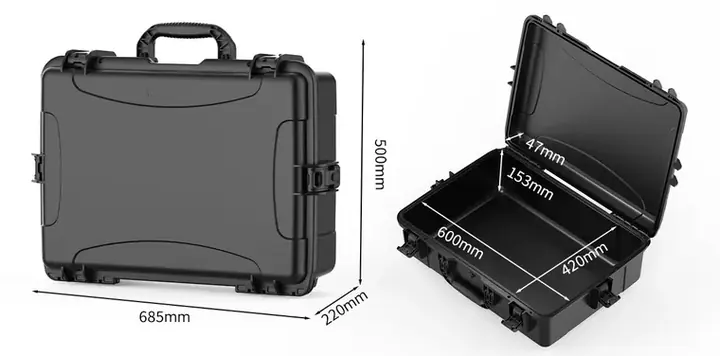
9 Series Protective Case
External 685 × 500 × 220 mm
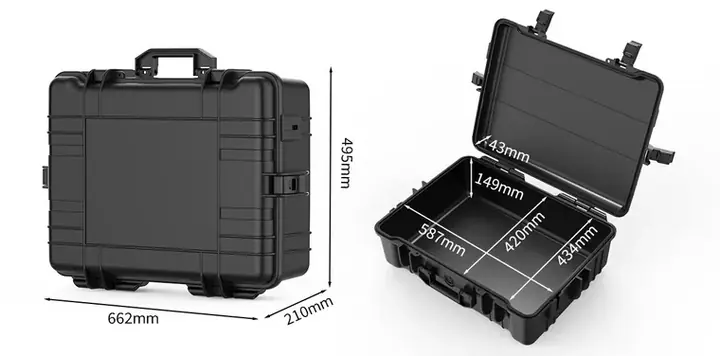
9 Series Protective Case
External 662 × 495 × 210 mm
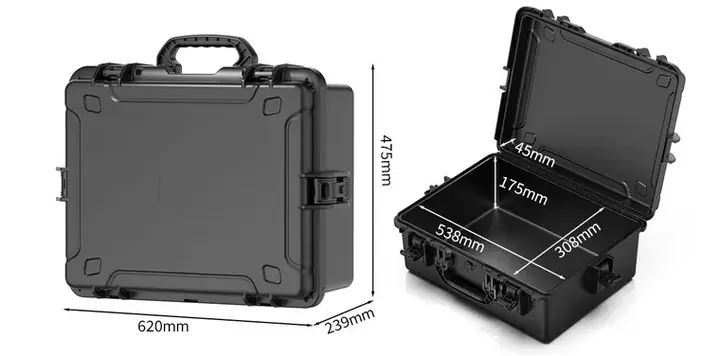
8 Series Protective Case
External 620 × 475 × 239 mm
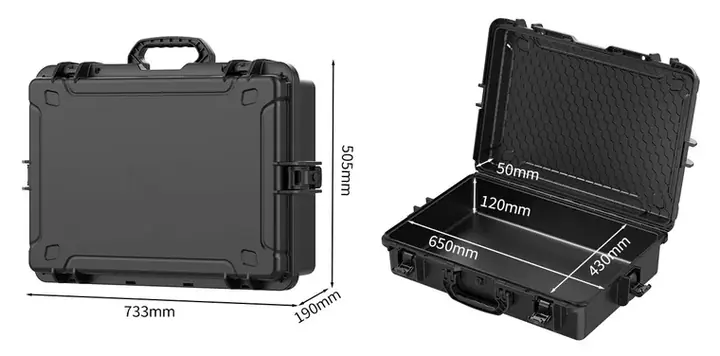
8 Series Protective Case
External 733 × 505 × 190 mm
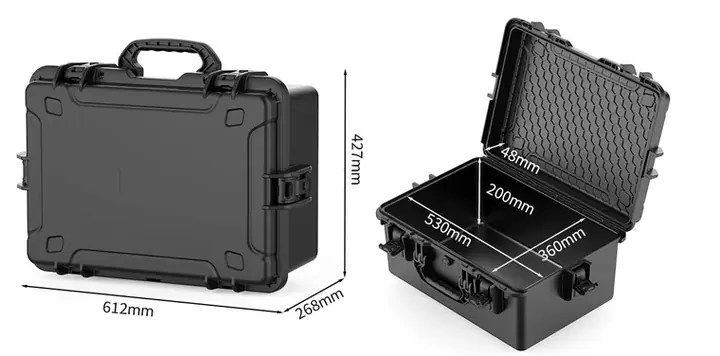
8 Series Protective Case
External 612 × 427 × 268 mm
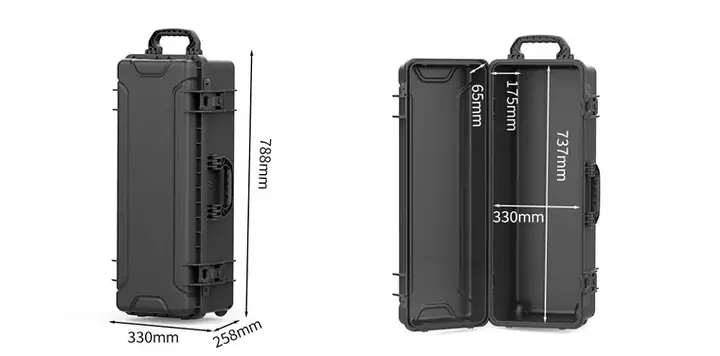
8 Series Protective Case
External 788 × 330 × 258 mm
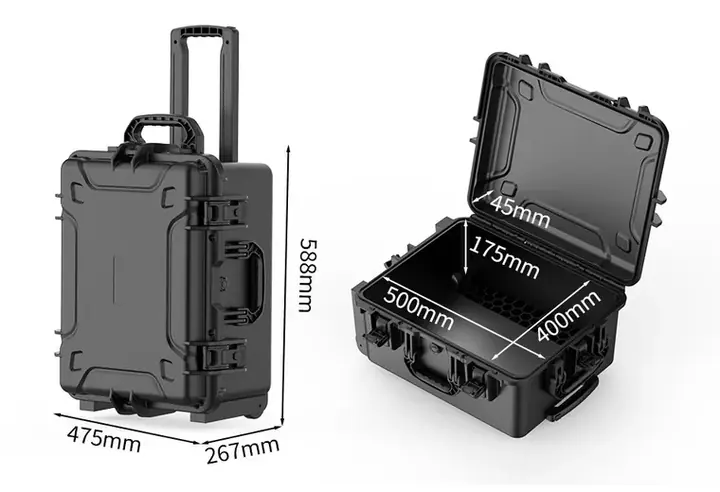
T Series Protective Case
External 588 × 475 × 267 mm
Questions in this sector
Which foam is suitable for electronic equipment?
Cross-linked PE for general protection, with anti-static or conductive grades where ESD control is required, and a firmer EPS carrier under heavy modules.
Can the case be sealed?
Yes, on models with a wall thickness of 3.0 mm or more, with a specified latch count and an optional pressure-equalisation valve.