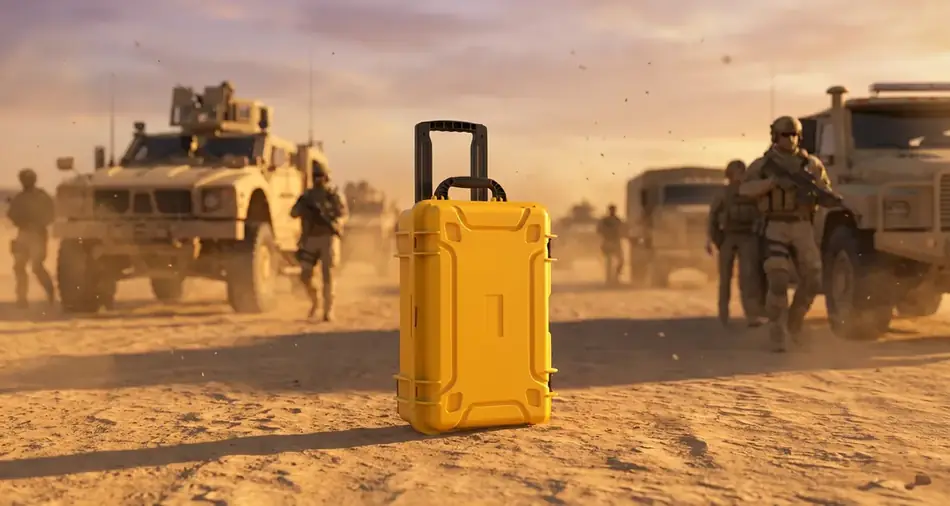
Application
Field and Deployment Operations
Field deployment removes every assumption a depot specification makes: no forklift, no dry storage, no control over who opens the case.
Summary
Field deployment removes every assumption a depot specification makes: no forklift, no dry storage, no control over who opens the case.
Environmental factors in order of how often they cause a return
| Factor | Effect | Answer |
|---|---|---|
| Grit in the sealing rim | The seal leaks even when intact | Continuous rim, more latches, a brush-clean channel |
| Ultraviolet exposure | Chalking then embrittlement | Pigmented resin rated for exposure |
| Temperature cycling | Vacuum lock pulls dust in on opening | Pressure-equalisation valve |
| Repeated handling drops | Latch and hinge wear | Serviceable hardware plus a spares kit |
| Prolonged storage closed | Gasket takes a permanent set | Store with latches released |
Products
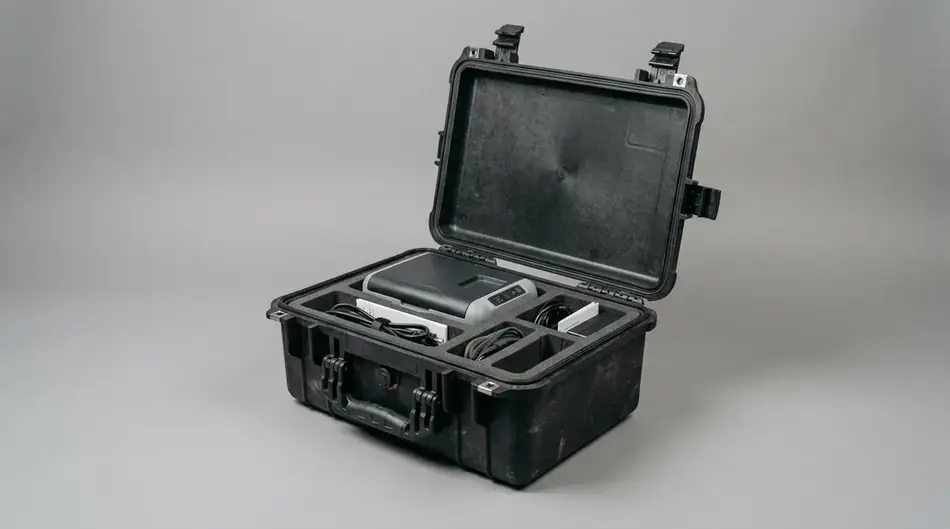
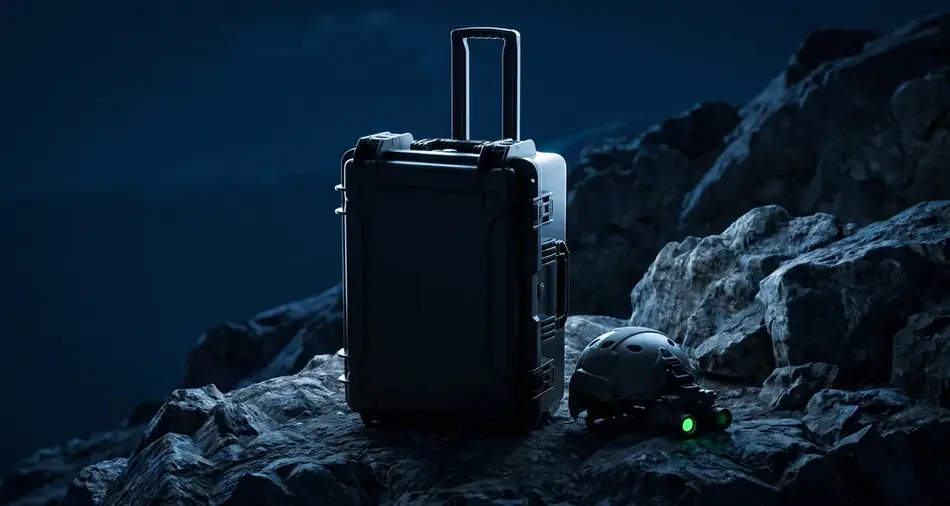
Cases used in this sector
Models
Shells that fit Field & Deployment work
Ranked by internal volume.
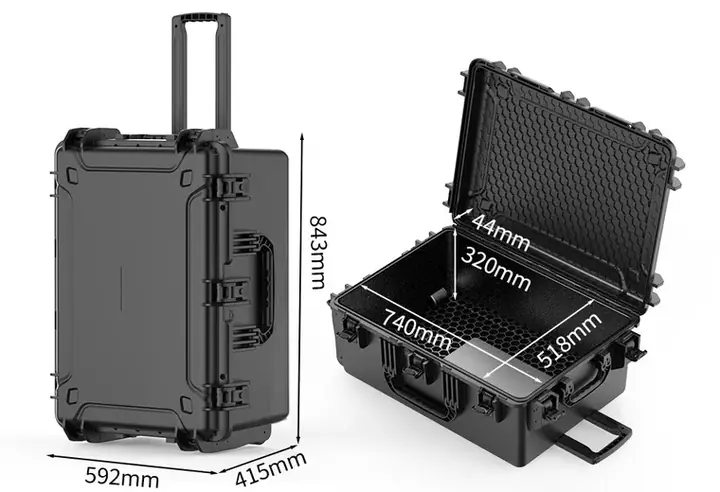
KX-88442
T Series Protective Case
Internal 740 × 518 × 364 mm
External 843 × 592 × 415 mm
External 843 × 592 × 415 mm
KX-88434
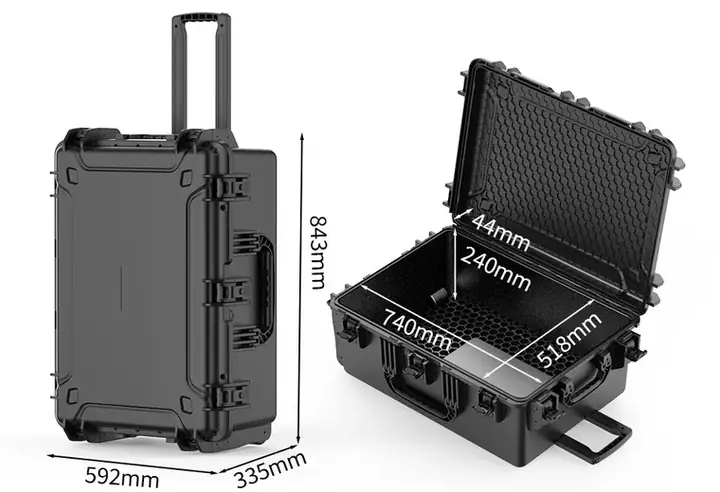
T Series Protective Case
Internal 740 × 518 × 284 mm
External 843 × 592 × 335 mm
External 843 × 592 × 335 mm
KX-88337
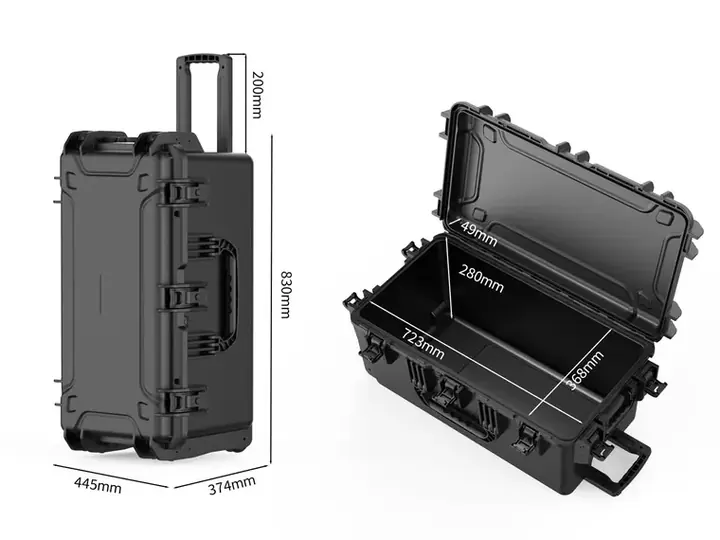
T Series Protective Case
Internal 723 × 368 × 329 mm
External 830 × 445 × 374 mm
External 830 × 445 × 374 mm
KX-87336
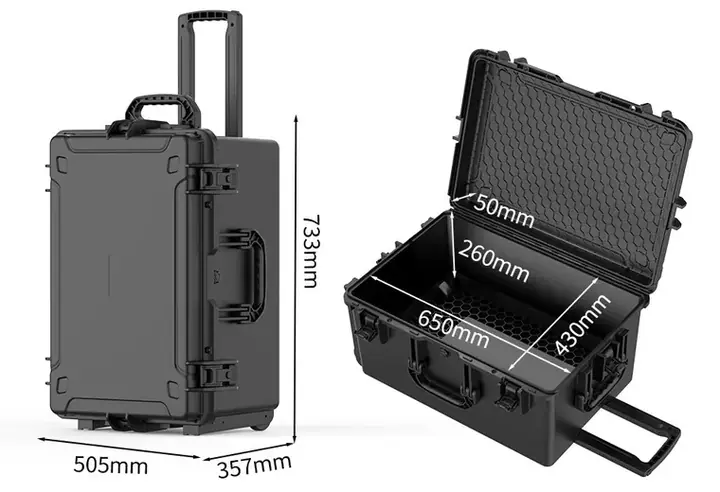
T Series Protective Case
Internal 650 × 430 × 310 mm
External 733 × 505 × 357 mm
External 733 × 505 × 357 mm
KX-86836
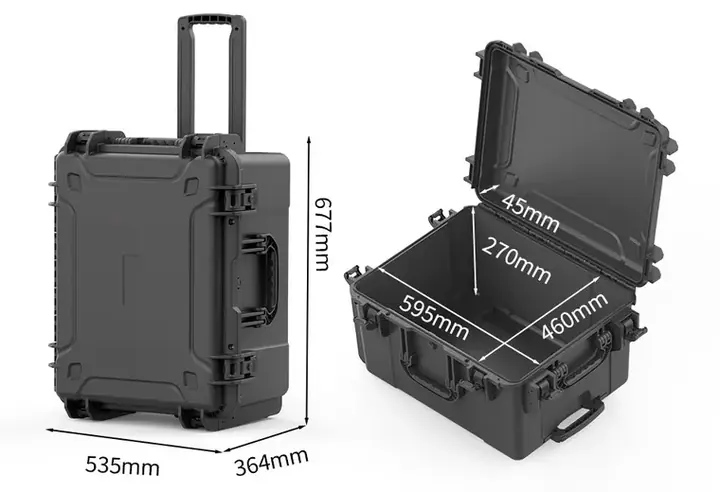
T Series Protective Case
Internal 595 × 460 × 315 mm
External 677 × 535 × 364 mm
External 677 × 535 × 364 mm
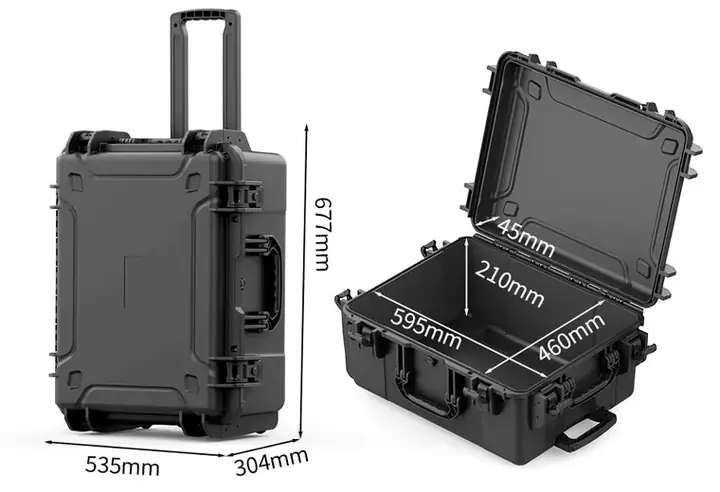
KX-86830
T Series Protective Case
Internal 595 × 460 × 255 mm
External 677 × 535 × 304 mm
External 677 × 535 × 304 mm
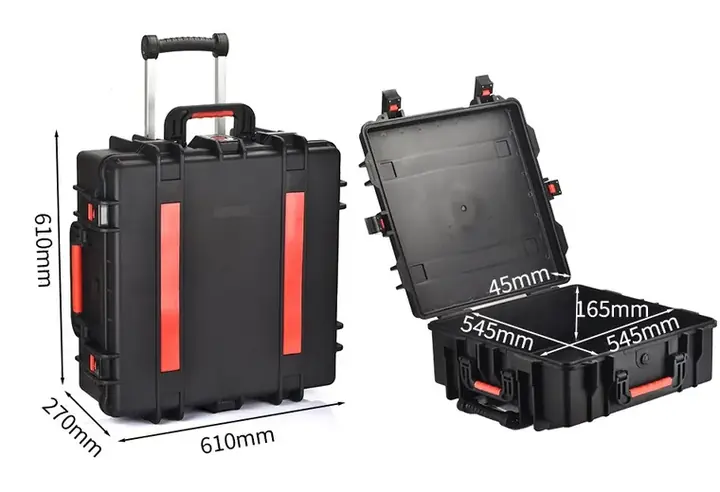
KX-96127
T Series Protective Case
Internal 545 × 545 × 210 mm
External 610 × 610 × 270 mm
External 610 × 610 × 270 mm
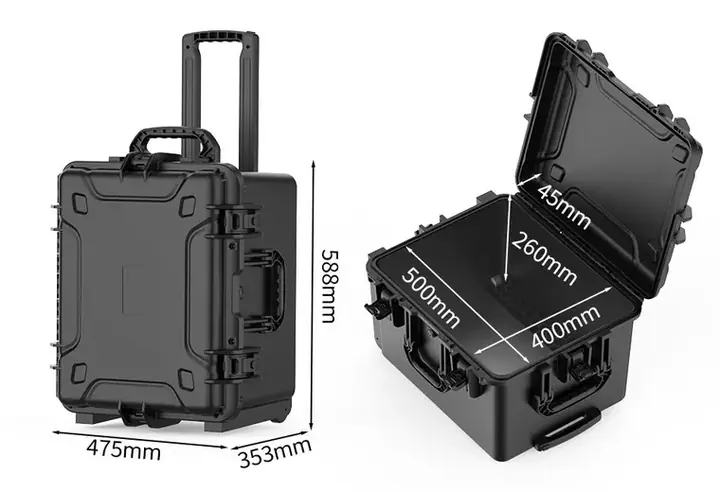
KX-85835
T Series Protective Case
Internal 500 × 400 × 305 mm
External 588 × 475 × 353 mm
External 588 × 475 × 353 mm
FAQ
Questions in this sector
How can protective cases be used in harsh environments?
By matching the closure, the resin and the hardware to the dominant environmental factor, and by treating latches, hinges and gaskets as serviceable parts.
How do temperature changes affect equipment cases?
A warm case cooled quickly develops a partial vacuum that pulls outside air, and with it dust, through any path available when the lid is first cracked. A pressure-equalisation valve removes that path.