Communication Equipment Cases
Cases for radios, network gear, field communication systems, headsets and cabling. Published lid and base depth for accessory storage, custom foam available.
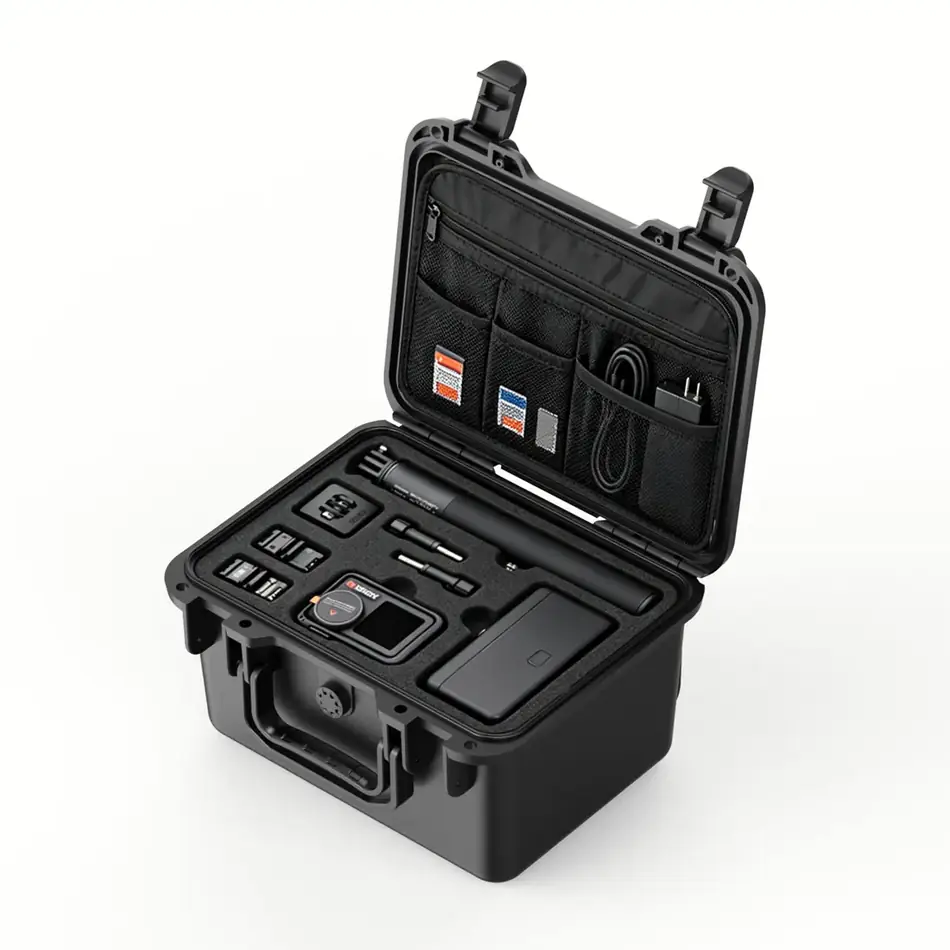
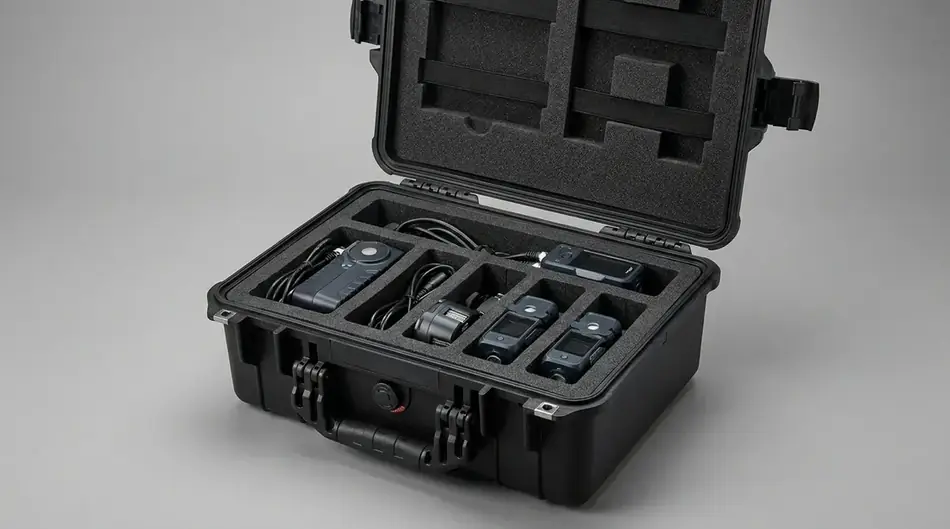
A communication equipment case carries a radio or network system together with the parts that make it usable: handsets, headsets, batteries, chargers, masts, feed cables and spare connectors. The case is therefore specified as a kit layout, where the accessory volume is as important as the primary cavity.
Key points
- Ninety-nine models sit in the 10 L to 55 L band used for communication kits.
- Lid and base depth is published per model so cable and accessory storage can be planned.
- Cut-outs for coiled cable are typically 60-80 mm of reserved dimension.
- Antenna and mast lengths drive the internal length requirement more than the transceiver itself.
Designing the kit, not the box
The most common failure in a communication case is not the shell, it is the layout. Batteries roll against connector threads. A handset antenna is crushed under the weight of the radio. A coiled cable takes up more volume than expected and the lid will not close. We resolve this by asking for a photograph of the kit laid out as the user would pack it, and cutting the foam to that arrangement.
In this family
Sorted by internal volume. Each card leads with the measured internal envelope, because that is the number you size on.
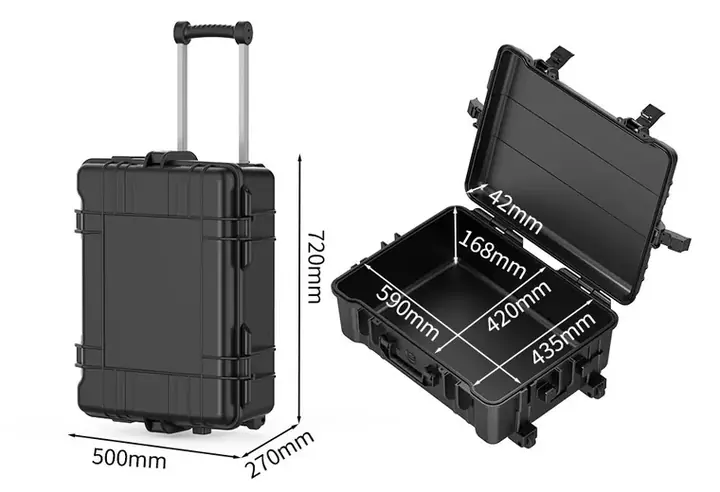
T Series Protective Case
External 720 × 500 × 270 mm
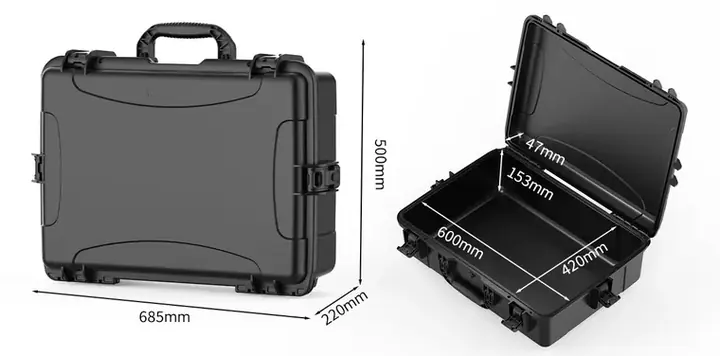
9 Series Protective Case
External 685 × 500 × 220 mm
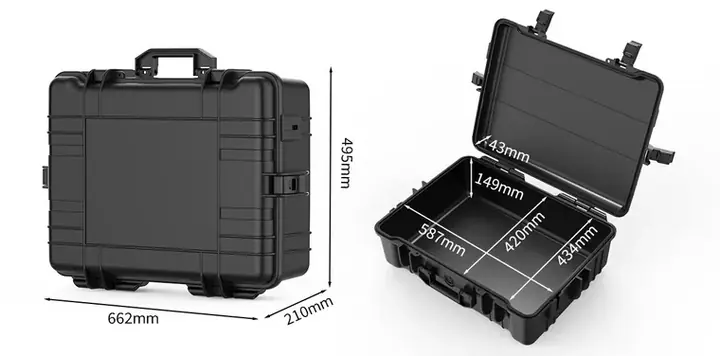
9 Series Protective Case
External 662 × 495 × 210 mm
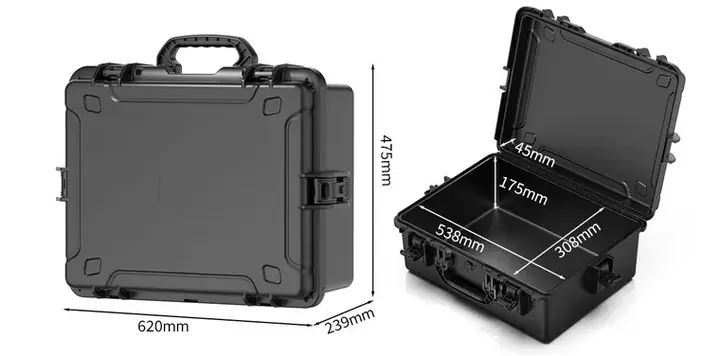
8 Series Protective Case
External 620 × 475 × 239 mm
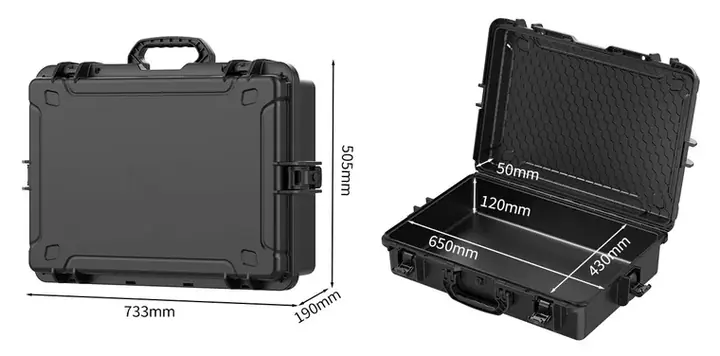
8 Series Protective Case
External 733 × 505 × 190 mm
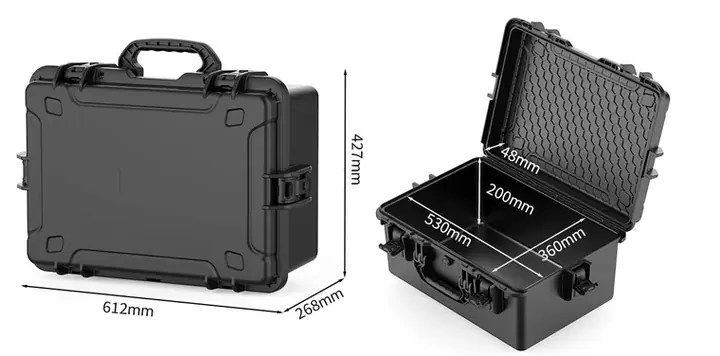
8 Series Protective Case
External 612 × 427 × 268 mm
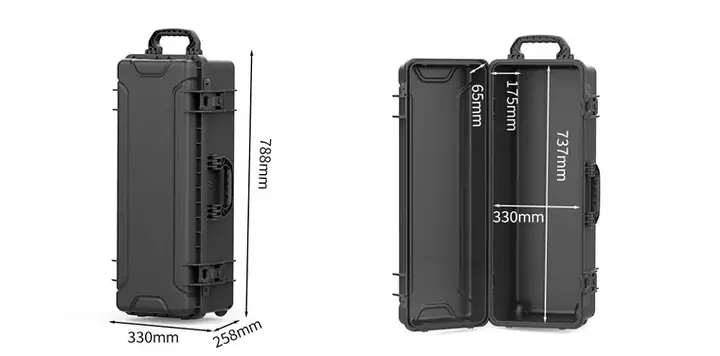
8 Series Protective Case
External 788 × 330 × 258 mm
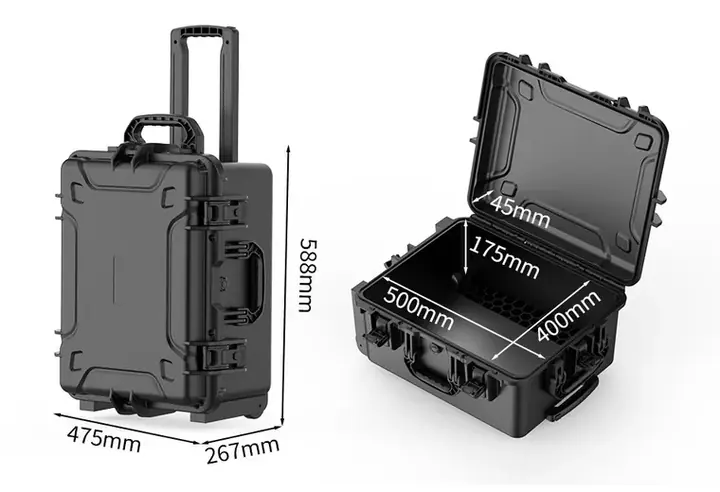
T Series Protective Case
External 588 × 475 × 267 mm
8 Series Protective Case
External 956 × 408 × 154 mm
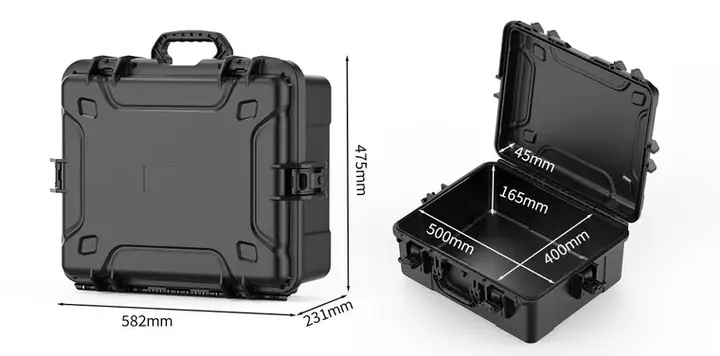
8 Series Protective Case
External 582 × 475 × 231 mm
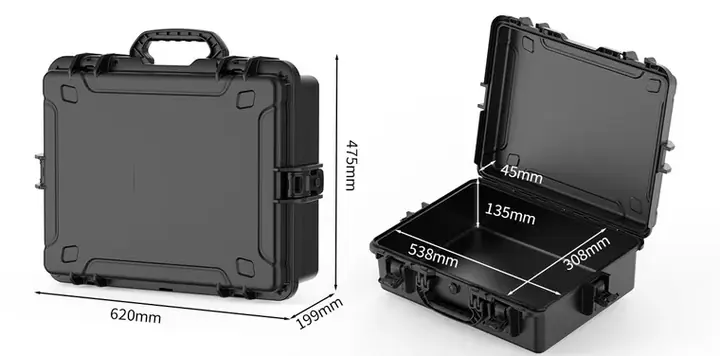
8 Series Protective Case
External 620 × 475 × 199 mm
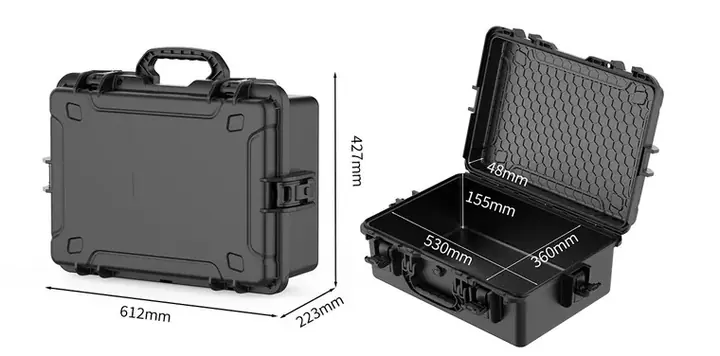
8 Series Protective Case
External 612 × 427 × 223 mm
See all 99 Communication Equipment Cases models in the filterable database →
In this family: 5 sub-classifications
The family is not a flat list. Buyers come to us with a sub-type in mind, so each one below is a real filter over the same product database rather than a separate marketing page.
How to specify this family
Battery isolation
Separate pockets, terminals up, with a physical barrier between cells and connectors.
Cable management
Dedicated coiled-cable channels rather than a shared compartment.
Field repair
Reserve a small loose compartment for spare fuses, connectors and seals.
Questions on Communication Equipment Cases
How should communication equipment be transported?
With the transceiver supported on its own carrier, antennas and masts separated, batteries isolated with terminals protected, and cables coiled in dedicated channels so nothing presses on a connector.
What protective features matter most?
Dust exclusion at the closure, impact protection for the transceiver body, and a layout that keeps accessories from migrating during transport.
Can the case include custom foam?
Yes. CNC, die-cut and pick-and-pluck layouts are all available, and we can cut to a supplied kit photograph or drawing.
What dimensions should I allow for?
The longest antenna or mast in its stowed position, the coiled diameter of the largest cable, and the total packed mass if the case must be carried by one person.
Applications, adjacent families and deeper reading
Telecommunications
Defense
Field & Deployment