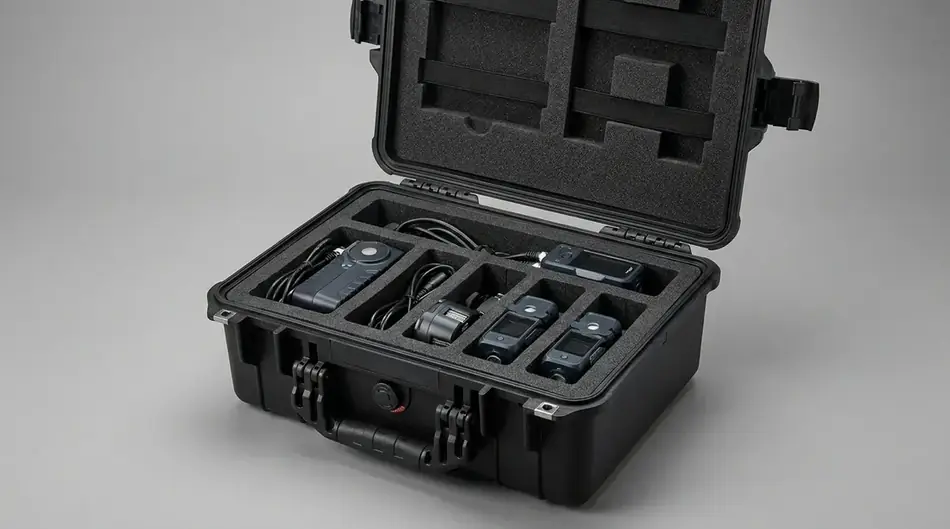
Telecommunications and Network Deployments
Communications equipment is never one object. It is a unit plus a set of accessories that determine whether the unit works, and the accessories are what get damaged.
Communications equipment is never one object. It is a unit plus a set of accessories that determine whether the unit works, and the accessories are what get damaged.
Accessory-first design
When we layout a communications case we design the accessory volume first and the primary cavity second, because in the field the failure is a stripped connector thread caused by a battery rolling into it, not a cracked housing. Batteries get their own pockets with terminals protected. Cables get coiled channels at a fixed diameter. Handsets and headsets are separated from the transceiver body.
Typical applications
- Tactical and mobile radio systems
- Fibre splicing and testing kits
- Network switches, media converters and patch sets in transit
- Antenna masts, mounts and feed lines
- Site survey and spectrum measurement equipment
Cases used in this sector
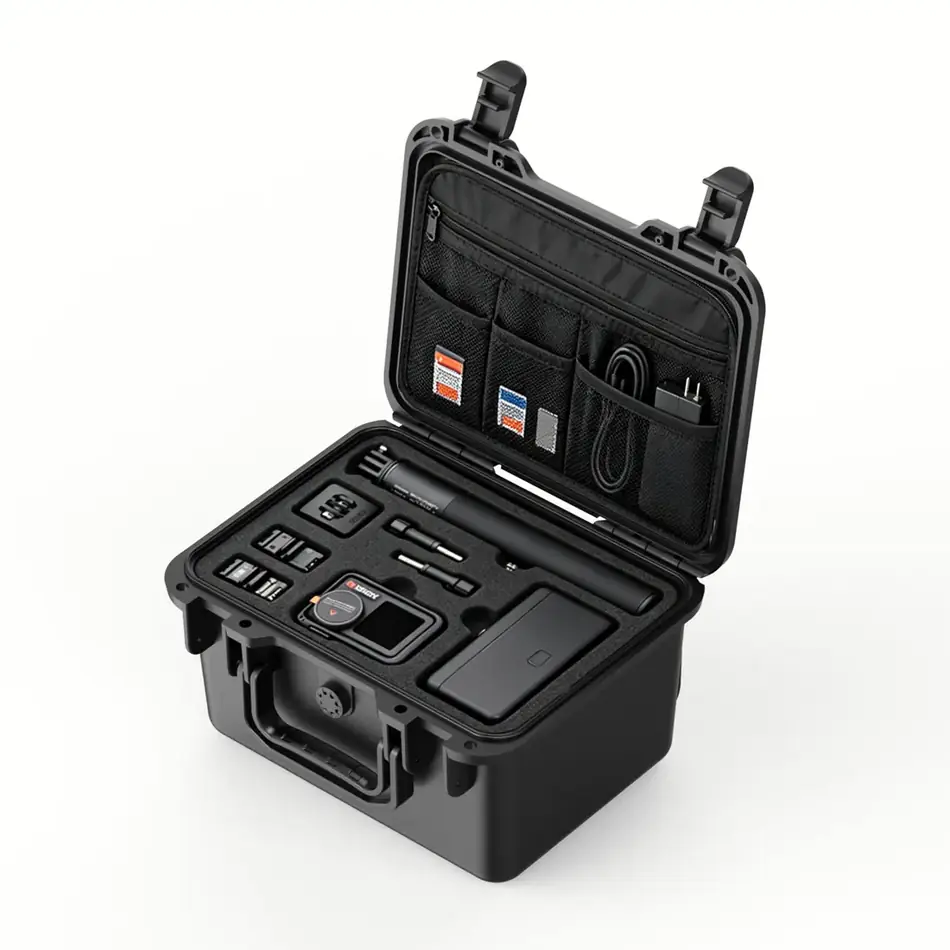
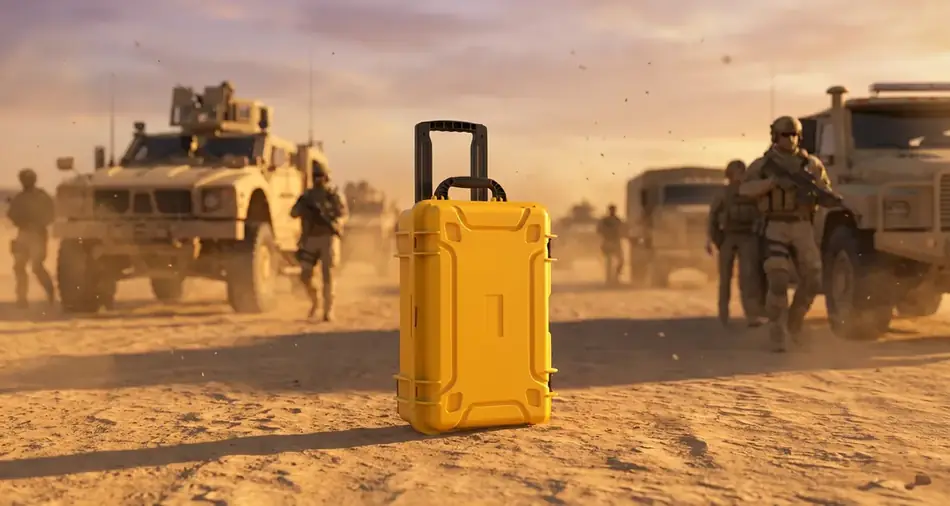
Shells that fit Telecommunications work
Ranked by internal volume.
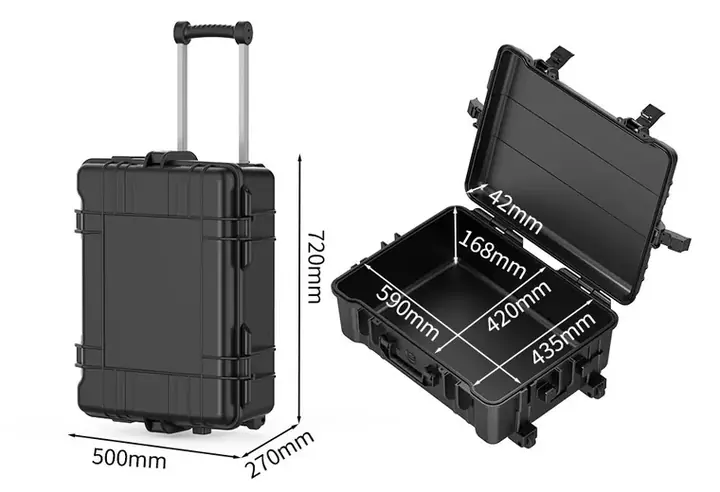
T Series Protective Case
External 720 × 500 × 270 mm
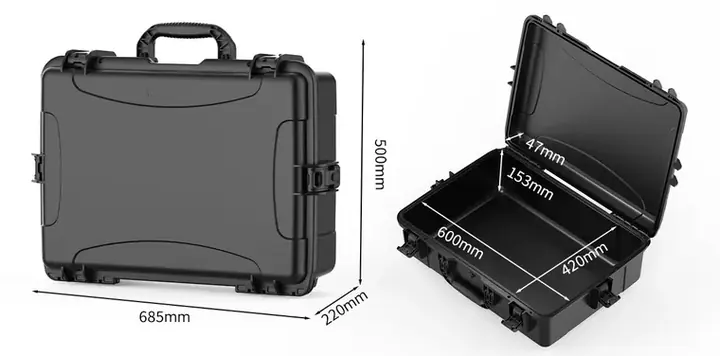
9 Series Protective Case
External 685 × 500 × 220 mm
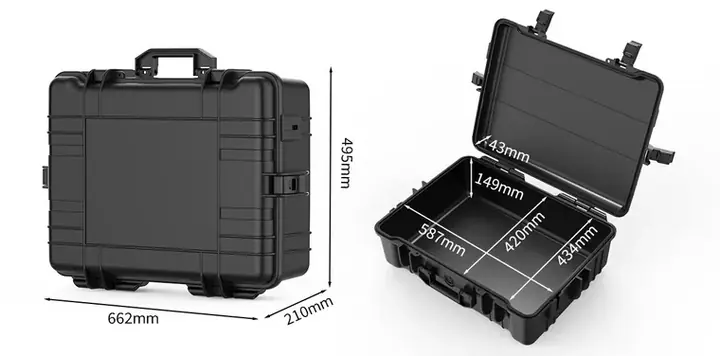
9 Series Protective Case
External 662 × 495 × 210 mm
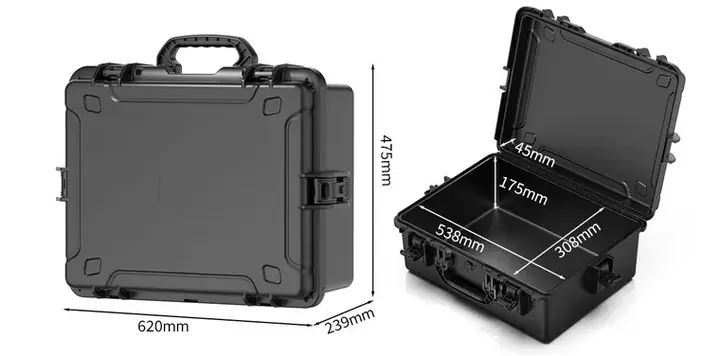
8 Series Protective Case
External 620 × 475 × 239 mm
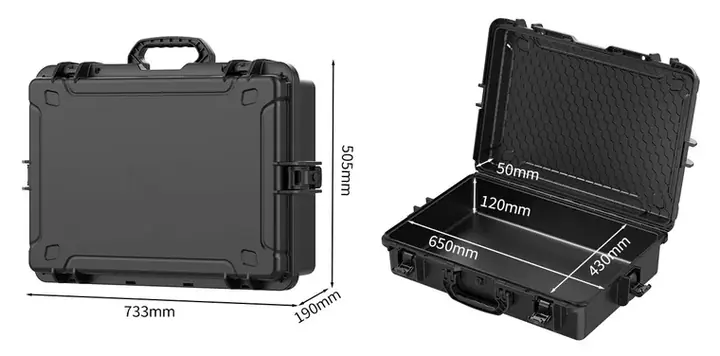
8 Series Protective Case
External 733 × 505 × 190 mm
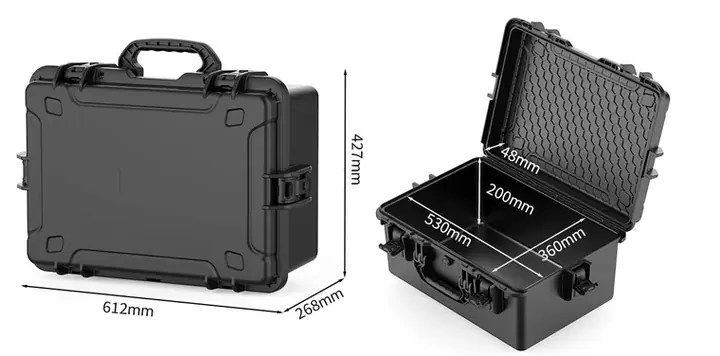
8 Series Protective Case
External 612 × 427 × 268 mm
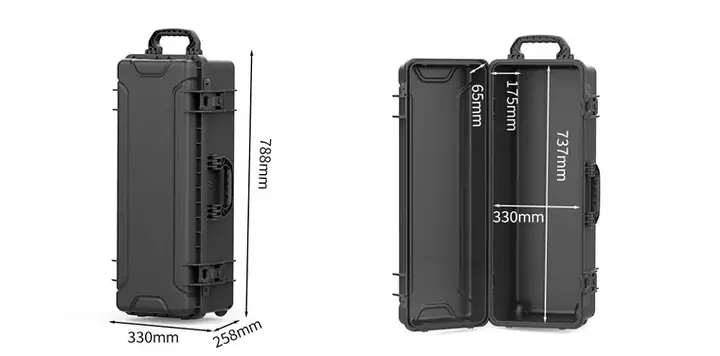
8 Series Protective Case
External 788 × 330 × 258 mm
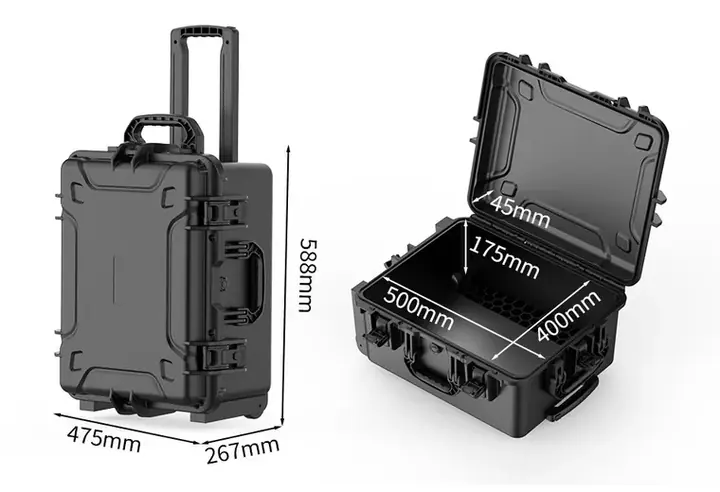
T Series Protective Case
External 588 × 475 × 267 mm
Questions in this sector
What protective features matter for communications equipment?
Dust exclusion at the closure, connector isolation, separate battery storage, and a layout that prevents accessories migrating into the primary cavity.
Which case size do I need?
Size on the longest stowed antenna or mast and on the coiled diameter of the largest cable, not on the transceiver.