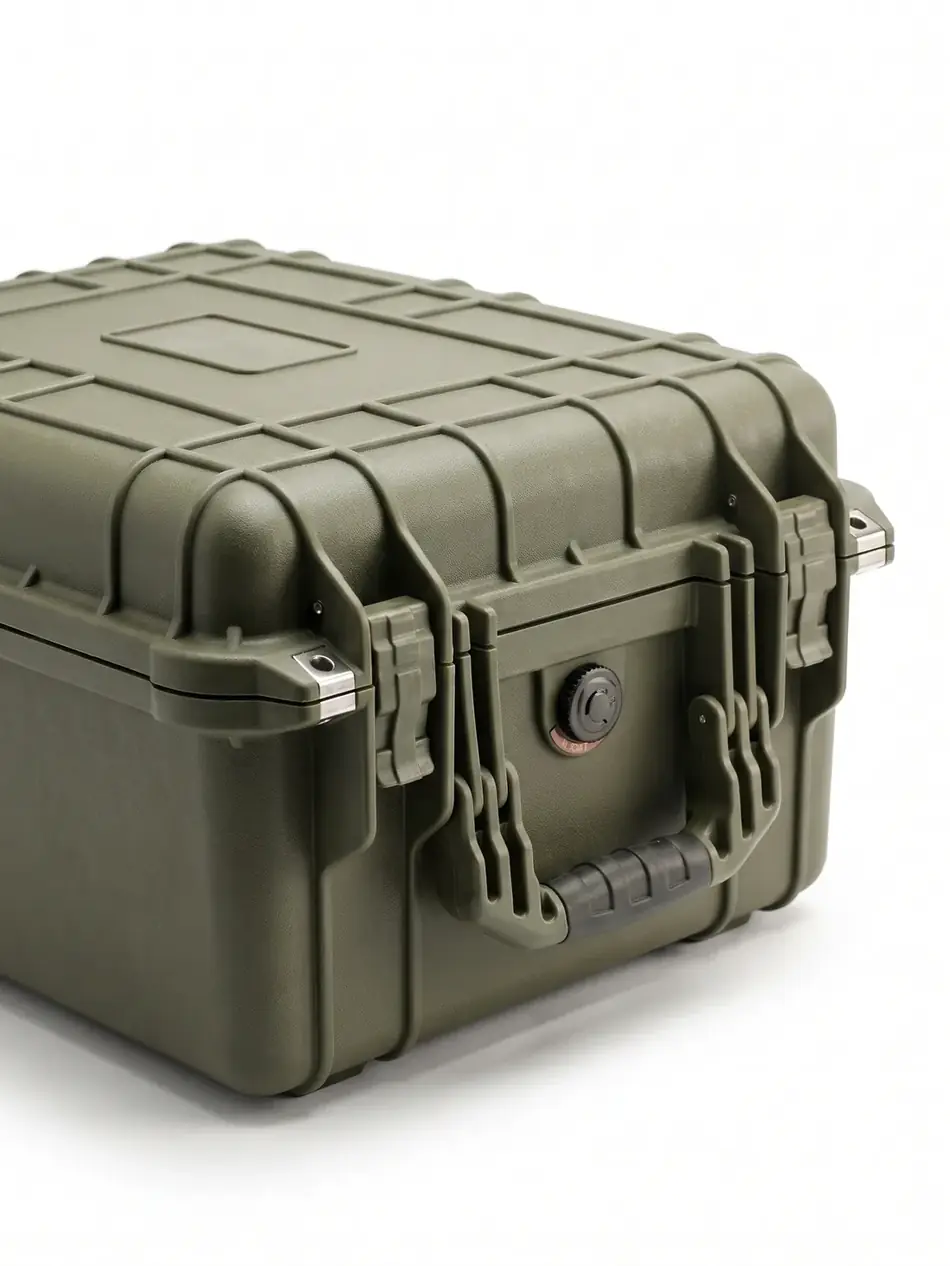
Can firearm transport cases have custom foam inserts?
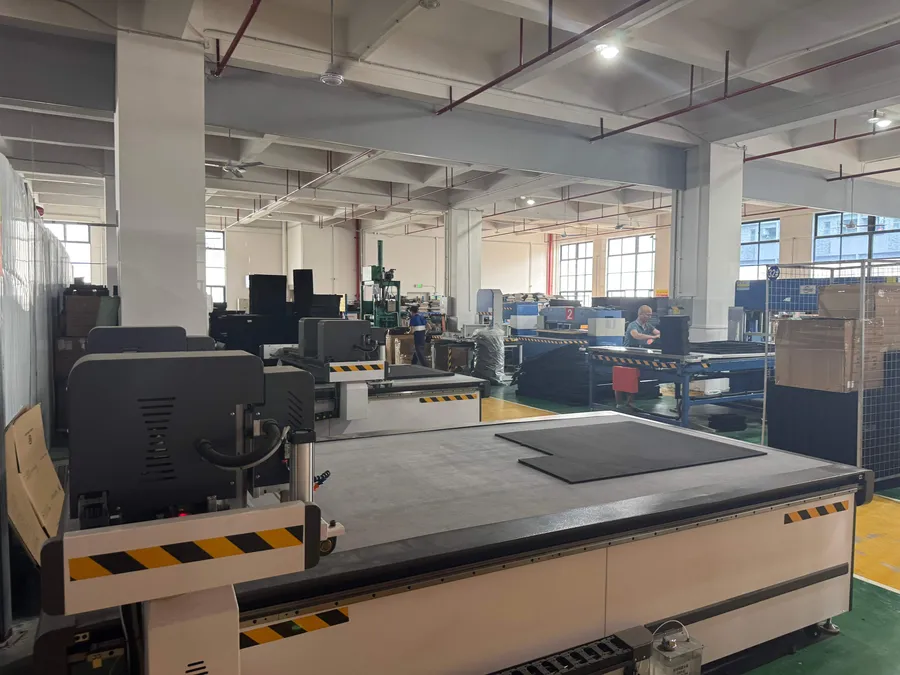
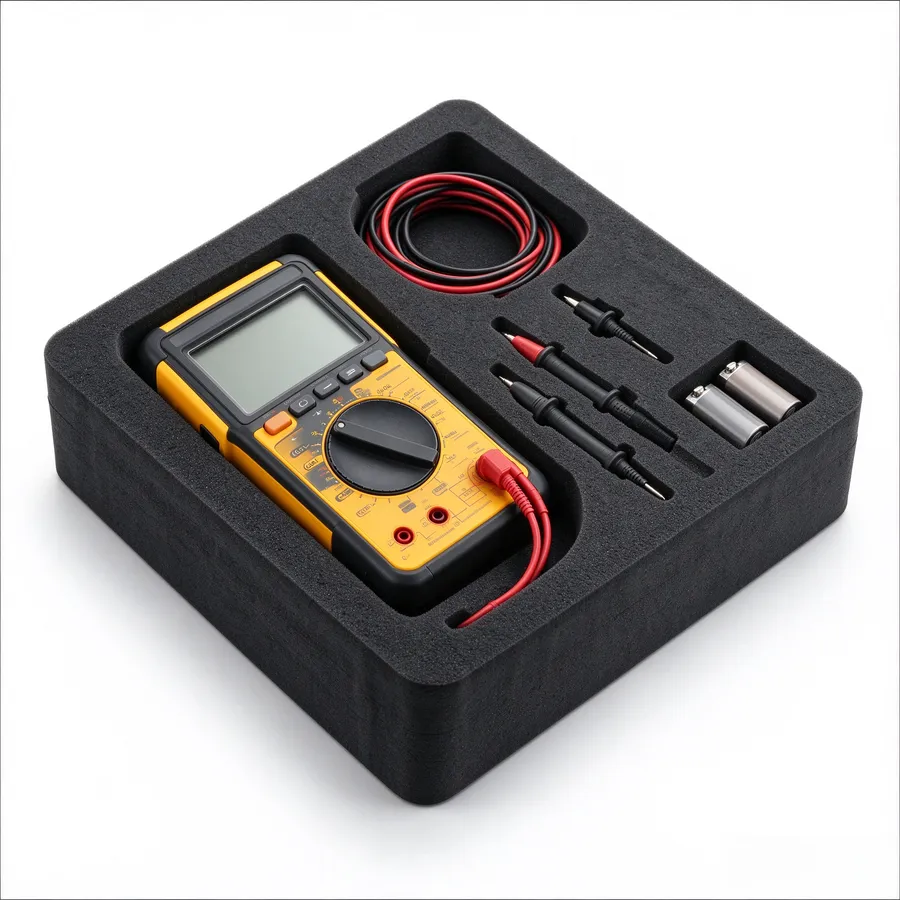
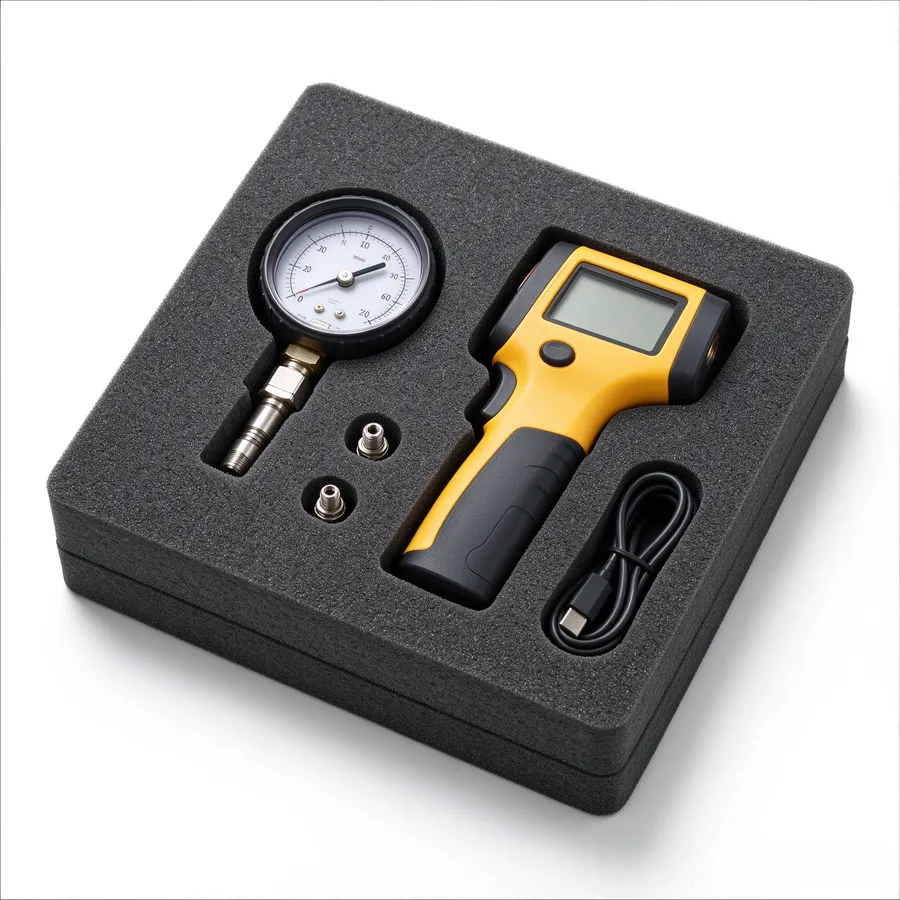
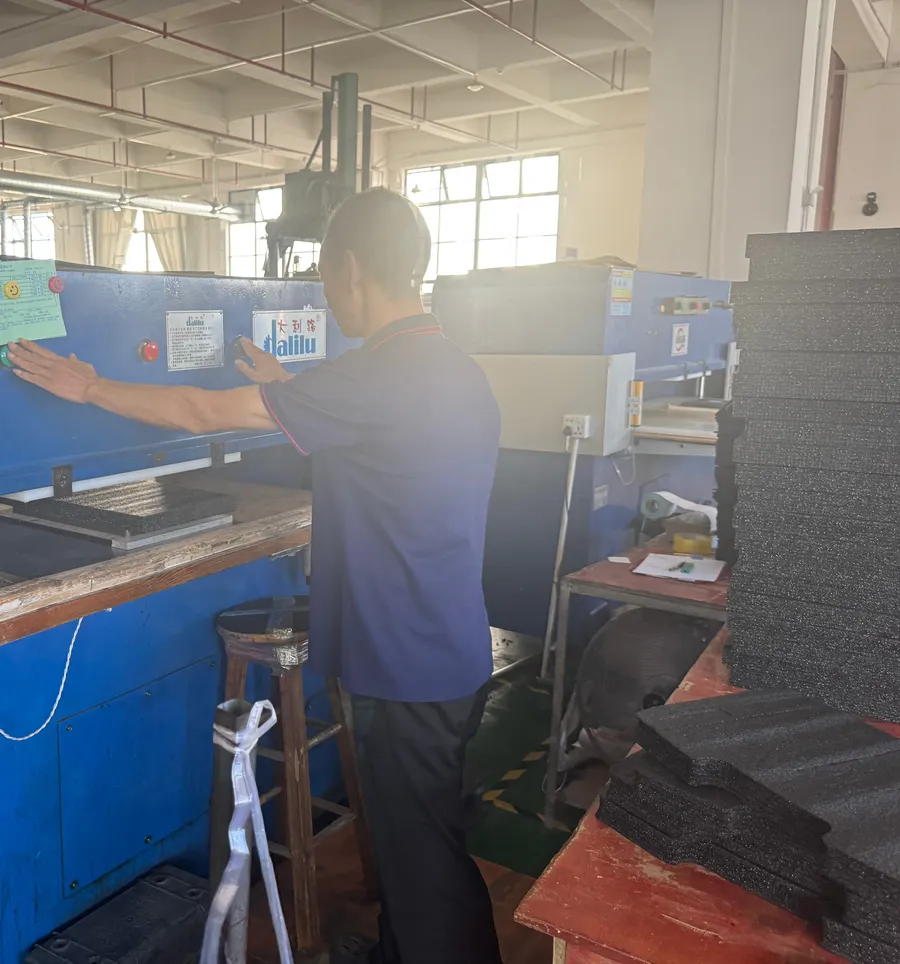
Yes. Every model in the firearm-transport range is offered with custom foam, and the insert can be tailored in three independent ways: the material, the cut method, and the structure. For material you can specify pluckable or solid foams in EVA, PE or EPE, chosen by density and firmness. For cut method you can go with pick-and-pluck, where the user trims the cavity by hand from a grid, die-cut shapes pressed into sheets, or CNC-cut cavities machined from a drawing or a physical sample of the packed kit so each item sits in a pocket that traces its exact outline. For structure you can combine a base layer, a top layer, egg-crate or convoluted faces, and layered stacks to set the working depth. Because the case interior is defined by the published internal dimensions and wall thickness of the model, the cavity is planned against real available space rather than a guess, and a custom insert can typically be ordered from a single unit, which makes prototyping a fit cheap before a full OEM run.
Key points
- Custom foam is available across the firearm-transport range, so the insert is chosen per model rather than bought as an afterthought.
- Three dimensions define a custom insert: material (EVA, PE, EPE), cut method (pick and pluck, die-cut, CNC-cut), and structure (base, top, egg-crate, layered).
- CNC-cut cavities machined from a drawing or physical sample give the tightest fit for irregular kits, holding each item in its own traced pocket.
- Plan the cavity inside the model's published internal dimensions and wall thickness so the foam does not steal the height the equipment needs.
- A custom foam insert can typically be ordered from one unit, which makes it practical to prototype a fit before committing to an OEM batch.
- Combine a firm base under heavy items with a softer top face to stop both bottoming-out on impact and surface chafing during handling.
The three things a custom insert controls
When you ask for custom foam you are really specifying three independent variables, and understanding them keeps the conversation with the factory precise. The first is material. Pluckable and solid foams come in EVA, PE and EPE, each with a different firmness and resistance to tearing, so the choice governs how well the cavity holds its shape after repeated use and how much it cushions. The second is cut method, which decides who forms the cavity and how accurately: pick-and-pluck lets the end user trim it, die-cut presses repeating shapes, and CNC-cut machines a cavity from a drawing so it matches the item exactly. The third is structure, the layering of base foam, top foam, and profiled faces that sets the working depth and the way the insert closes around the contents. KeXin offers all three as options on the firearm-transport models, so the insert is built to the kit rather than the kit being squeezed into a stock cavity.
Pick and pluck, die-cut, or CNC-cut
Pick-and-pluck foam is a grid of pre-cut fingers that the user pulls out to trace the outline of an item. It is the fastest route to a working fit and needs no tooling, which makes it ideal when the contents are reconfigured often or when a buyer wants protection on day one. Die-cut foam is pressed into repeating shapes from a die, which suits multiple identical items arranged the same way each time. CNC-cut foam is machined from a block following a drawing, a photograph of the packed kit, or a physical sample, and it produces the most precise cavity, with each item seated in a pocket that mirrors its silhouette and firm support exactly where the weight lands. For high-value or awkwardly shaped kits, the tighter the pocket, the less the item can shift, and shifting is what concentrates impact on a single contact point even inside a tough shell.
Sizing the cavity against published internal dimensions
A custom insert is bounded by the space the case actually offers, which is why fit is planned against the model's published internal dimensions and wall thickness, not the outside size. The internal cavity is smaller than the external box because the moulded wall, the lid-to-base seam, and the foam itself all take space. Once a base layer is laid in, the usable depth for the equipment shrinks by the compressed working thickness of that layer, and the lid foam reduces it again from the top. On a shallow model such as KX-4010, with a published internal depth of 88 mm, the foam budget has to be modest and firm, whereas a deeper model such as KX-64619 with 166 mm of internal height can carry a thicker layered insert around a taller kit. This is why the model and the insert are specified together: the cavity is designed inside real measurements so the lid still closes without pressing on the contents.
Matching foam options to a few real models
The table pairs the cavity a model actually provides with the insert method that suits it, using published internal measurements as the boundary. A shallow box rewards thin, firm foam so the equipment is not pushed above the lid line, while a deep box rewards a machined pocket that suspends the item on all sides. Egg-crate or convoluted faces on the lid add gentle contact for items that must not bear directly on a flat surface. None of these is a universal upgrade; the right combination is the one that fits both the item's measured size and the interior the chosen model truly exposes.
| Model | Internal Mm | Wall Mm | Best Foam | Reason |
|---|---|---|---|---|
| KX-4010 | 390 x 315 x 88 | 3.0 | Thin firm base, pluck or die-cut | Shallow 88 mm cavity limits foam budget |
| KX-64112 | 393 x 280 x 112 | 3.8 | Layered base with profiled top | Mid depth supports mixed item heights |
| KX-64619 | 430 x 288 x 166 | 4.7 | CNC-cut pocket for tall kits | Deep 166 mm cavity suits machined pockets |
| KX-65522 | 507 x 385 x 190 | 5.3 | Full CNC-cut with egg-crate lid | Largest footprint for complex layouts |
Foam structure: base, top, and mixed firmness
Beyond the cut, structure is what makes the insert protect well. A firm base under heavy items prevents bottoming-out when the case lands, while a softer top or profiled face cushions the upper surfaces and stops chafing where hands and straps touch. Egg-crate and convoluted faces give continuous contact around irregular shapes so nothing rattles, and layered builds let you dial the exact working depth by stacking sheets to the millimetre rather than carving a single block too deep. A common and effective pattern is a firm machined base that carries the weight plus a pluckable or convoluted top that locks the item from above, so the gear is gripped at its centre of mass and cannot pivot on impact.
How to order custom foam on an OEM basis
Because the insert is built to your kit, the ordering path differs from picking a stock case. A custom foam insert can typically be specified from a single unit, which lets you prototype the fit, confirm that the lid closes and the items seat correctly, and only then commit to the production quantity. To define the cavity you send the measured dimensions of each item, a photograph of the packed layout, or ideally a physical sample, and the factory machines to match. For repeat OEM programs where the insert is fixed into the case build rather than supplied loose, the tooling and colour or logo options apply at their own batch thresholds, and KeXin works to a 30 percent deposit with OEM first samples around 45 days and new moulds around 125 days. All supply is wholesale and OEM on EXW or FOB terms; single-unit retail, DDP, and overseas warehousing are not part of the model. Tell us the equipment, the handling it faces, and the model shortlist, and the insert is planned inside the published internal dimensions so protection and fit are agreed before the run.
Customisation
Everything described above is configurable on a standard shell: interior layout (pick-and-pluck, die-cut or CNC-cut), foam grade and thickness, colour, logo method, latch and lock count, pressure-equalisation valve, cable ports, document holder and identification plate. A bespoke exterior geometry requires a new mould — 125 days, from 3,000 units per moulded component.
Procurement considerations
| Question | What to send us |
|---|---|
| Which shell fits? | Equipment L × W × H as packed, plus required clearance per axis |
| What does it cost? | Order quantity and estimated annual quantity — the two drive different answers |
| Is tooling needed? | Whether an existing shell clears the envelope with usable foam depth |
| Lead time? | Your required delivery date, not just the order date |
| Certification? | The exact standard your tender names — we will say whether we can test to it |
| Freight? | Destination and preferred terms; carton and pallet data supplied with the quotation |
Comparison and selection guide
The tables on this page exist because a protective case is chosen by comparing three things: the envelope, the environment and the handling chain. Where no table applies, the rule below is.
| Situation | What To Do |
|---|---|
| Length | Allow at least 25 mm at each end beyond the equipment so the foam can absorb end impact rather than the shell. |
| Depth split | A deeper base carries the mass; a shallow lid retains it. We normally recommend a 60/40 or 70/30 base-to-lid split. |
| Closure | Latches on the long edge give better sealing on a flexing shell; latches on the short edge are faster to open. |
- Size on internal dimensions plus clearance, never on a product name.
- Choose the carrying method before the shell: it changes the series, not just the price.
- Specify the interior last, and decide up front whether the end user will reconfigure it.
Can firearm transport cases have custom foam inserts? relates to Firearm & Long Equipment Transport Cases. Related families: Firearm Transport Cases / Military Protective Cases / Custom Protective Cases. Related sectors: field and industrial equipment. Continue in the Firearm & Long Equipment Transport Cases cluster.
This page is written from our own production data. If your requirement differs, send the dimensions and we will tell you which of the 155 models fits, or whether a custom route is needed.