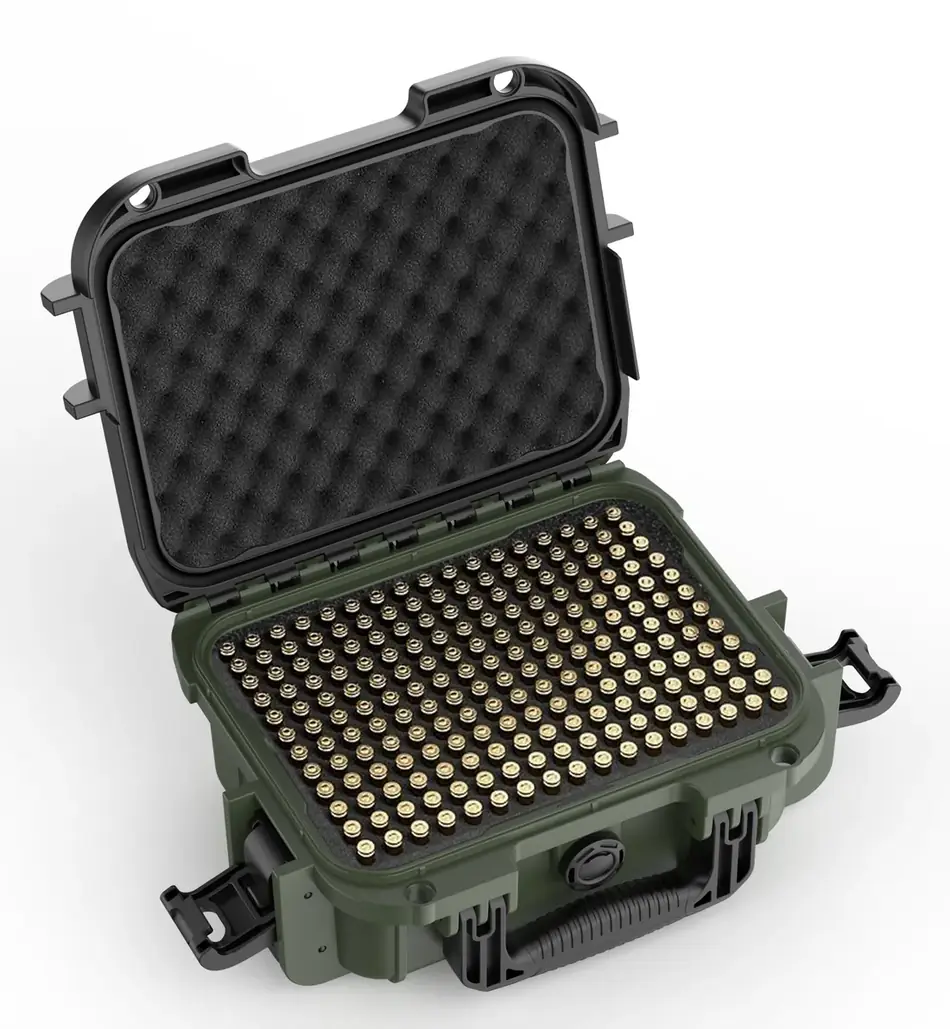
What determines the load capacity of a protective box?
The short answer is that load capacity is not a single number printed on a box; it emerges from a set of physical factors working together. What determines how much weight a protective box can carry in a stack is, in order of importance: where the load travels when boxes sit on one another (through the walls and a locating rim, or wrongly onto the flat of the lid panel), the wall thickness and the shell material, the external footprint and rim geometry that let a column stay square, the height and configuration of the stack, and whether the boxes are empty or loaded. A tall stack of lightly loaded boxes behaves completely differently from a short stack under heavy compression. Because so many of these factors depend on the buyer's own pallet, stack height and load pattern, we publish measured physical figures for each model, wall thickness between about 2.0 and 5.0 mm across the range, and we plan pallet fit from the carton footprint against your pallet, but we do not print a generic maximum load rating that we have not tested on the exact model you order.
Key points
- Load capacity is emergent: geometry, material, stack height and whether the box is loaded decide it, not one stamped figure.
- Where the load travels matters most: through the walls and a locating rim, never resting on the flat of the lid panel.
- Wall thickness published per model, roughly 2.0 to 5.0 mm across the range, is the single most useful number to compare.
- A stack is only as strong as its weakest unit and its least stable layer, so mixed loads and gaps in a column carry the risk.
- Where a maximum load or pallet figure has not been measured on a model we do not state it; we publish measured physical dimensions instead.
Why load capacity is not one number
Buyers often ask for a single figure, the kilograms a box can take, and treat any supplier who cannot produce one as evasive. The honest answer is that a rigid thermoplastic box does not have one load capacity. It has a behaviour that changes with the situation. The same shell might carry a comfortable column when it is loaded and stacked squarely on a flat pallet, and buckle a wall when it is empty, stacked under a point load, or sitting on an uneven deck with a gap under one corner. Compression, the sideways force of braking, the number of boxes in a column, and whether the weight sits on the strong rim line or on the weak centre of a lid panel all move the answer. So the useful question is not what the maximum is, but which factors govern it, and how each one is published and measured for the exact model being ordered. A vendor who hands you one impressive number without the geometry behind it is guessing, and a guessed figure is the thing that fails in the field.
Where the load travels: the rim and wall path
The most important determinant is the load path. In a well-designed stack the weight of each upper box is carried by the rims and the vertical walls of the box directly beneath it, and the flat of the lower lid panel carries essentially nothing. Where the geometry instead lets the upper box bear partly on the lid, the lid bows, the latch compression changes, and the very first thing to fail is the seal, because a bowed lid stops meeting its gasket line evenly. That is why a shallow locating rim matters so much: it keeps each box centred over the one below so the load stays on the walls, and it stops the column creeping sideways relative to itself. A stack that shifts sideways under braking loads the walls at a bad angle, which is what actually collapses a column. So when you compare models, look first at whether the rim and wall geometry are designed to take a vertical load path, and treat any claim about strength as meaningless until you know where the weight lands.
Wall thickness and shell material
Once the load path is understood, the two published figures that govern how much a column can carry are wall thickness and material. Wall thickness, published per model across roughly 2.0 to 5.0 mm on this type of box, is really a stacking specification rather than a styling choice: a thin wall under a tall column of loaded boxes bulges the lower shells, the lids stop closing evenly, and the whole stack loses stability. Material shifts the same picture again. Polypropylene, the workhorse on the small and mid boxes here, is tough and forgiving and takes impact well. Engineering polypropylene, used on several deeper and heavier ammunition models, adds stiffness where a stack has to hold its shape. ABS, seen on the rugged ABS ammunition boxes, gives a rigid structure and a clean finish. Empty mass tracks those choices: published net figures on the range run from about 570 grams on a shallow box to roughly 1.7 kilograms on a thick deep one, so a column is planned on mass as well as on volume. The right combination depends on your stack height, not on a generic score.
Published physical figures that drive stack behaviour
The table lists published measured physical data for a spread of ammunition storage and transport models, showing the geometry and mass that determine how they behave in a stack. These are measured physical dimensions and empty masses from each model's datasheet, presented as examples from the range; they are not a rated maximum load, and the box you order is specified from its own data. Where a figure has not been measured we do not publish one.
| Model | External Mm | Wall Mm | Material | Net Mass G |
|---|---|---|---|---|
| KX-3207 | 315 x 260 x 70 | 3.0 | PP | 570 |
| KX-3213 | 315 x 260 x 128 | 3.0 | PP | 860 |
| KX-3508 | 350 x 300 x 79 | 3.0 | Engineering PP | 995 |
| KX-3315 | 334 x 287 x 150 | 4.1 | Engineering PP | 1670 |
| KX-63413 | 339 x 310 x 125 | 4.8 | ABS | 1680 |
| KX-2811 | 280 x 225 x 111 | 5.0 | PP | 890 |
Stack height, load pattern and empty versus loaded
Two more factors move the answer as much as the shell itself: how the stack is built, and whether the boxes are empty or loaded. A stack is only as strong as its weakest unit and its least stable layer, so a column that mixes a heavier box in the middle, or leaves a gap that lets a corner hang unsupported, concentrates force somewhere the geometry never intended. Interlocking a layer, rather than stacking boxes directly in columns, spreads the load and resists the sideways shift that collapses a stack on a rough inland run. And empty versus loaded changes everything: a loaded box is stiff because its contents brace the walls from inside, while the same box empty can distort a thin wall under the same compression. Any figure you are given should therefore state whether it refers to an empty or a loaded box, and at what stack height, because the same shell answers differently at the bottom of a tall column than on a single shelf.
How to plan a real load without a headline rating
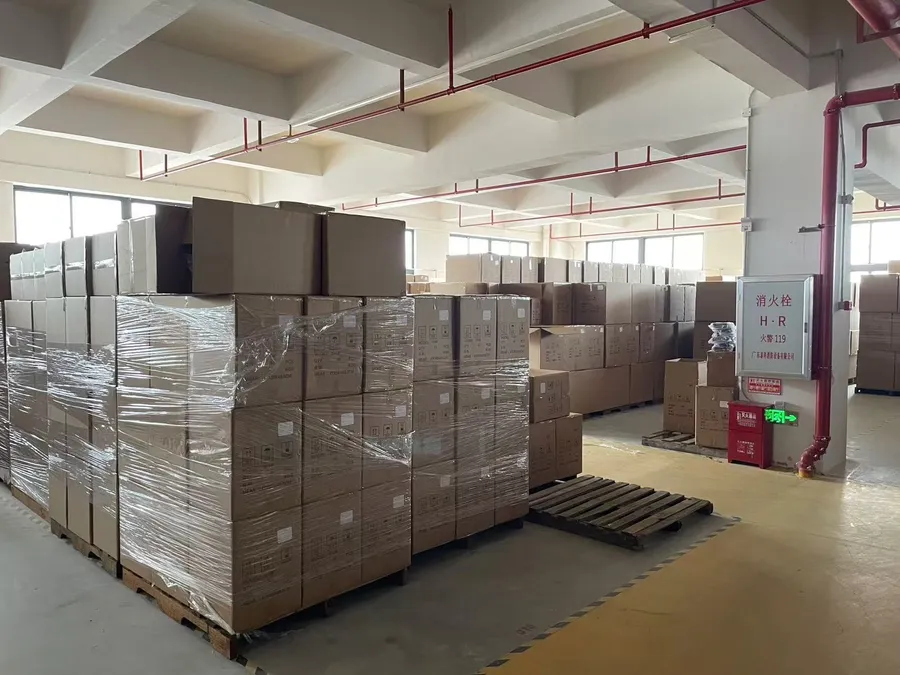
You can design a safe, stable load from published physical data alone, without waiting for a single impressive number that may not describe your situation. Start by choosing the model whose wall thickness and material suit the stack height you intend to run, then read its external footprint and work out how many cartons sit on your pallet without an overhang; a box that hangs over a pallet edge transfers load outside its rim and is where columns start to lean. Set the stack height by the weakest layer, interlock where inland transport is rough, and secure with corner boards and wrap so the whole block moves as one unit rather than as individual boxes searching for a gap. State a stack height on the outside so handlers do not exceed the plan. This turns load planning into arithmetic on measured dimensions, which is exactly how our own carton data is meant to be used, and it never relies on a maximum figure that has not been tested on your configuration.
What we do and do not publish
On protection and load we hold the same narrow line used everywhere on this site. We publish measured physical figures per model: internal and external dimensions, wall thickness, empty mass, usable internal volume, seal availability and carton packing. Those are the determinants, and they are the numbers you should compare. What we do not do is print a generic maximum static or dynamic load rating, or a universal pallet count, that has not been measured on the specific model in a defined stacking configuration. Pallet fit in particular is planned from the carton footprint against your own pallet size, and where a pallet figure has not been measured we do not state it. A measured physical dimension you can build a load on is worth more than a rounded headline that sounds reassuring and quietly assumes someone else's stack height, contents and road.
Customising and buying notes
As a wholesale and OEM supplier we can tune the determinants to your load rather than forcing your stack into a catalogue shell: a deeper locating rim to hold taller columns square, a thicker wall or a stiffer engineering polymer where you plan high stacks, dividers and a cut or pluck foam layer that brace the walls from inside once loaded, and a footprint adjusted by millimetres until it divides cleanly into your pallet. On a new mould the published terms apply: about 45 days to a first OEM sample, about 125 days to a new tool, a 30 percent deposit, and production on EXW or FOB terms. We sell to distributors, integrators and OEM programmes on wholesale terms and do not retail single units, and we do not offer DDP or hold stock in an overseas warehouse, so plan freight and clearance yourself. Order against the datasheet of the exact model, because the physical figures that govern load behaviour differ across the range.
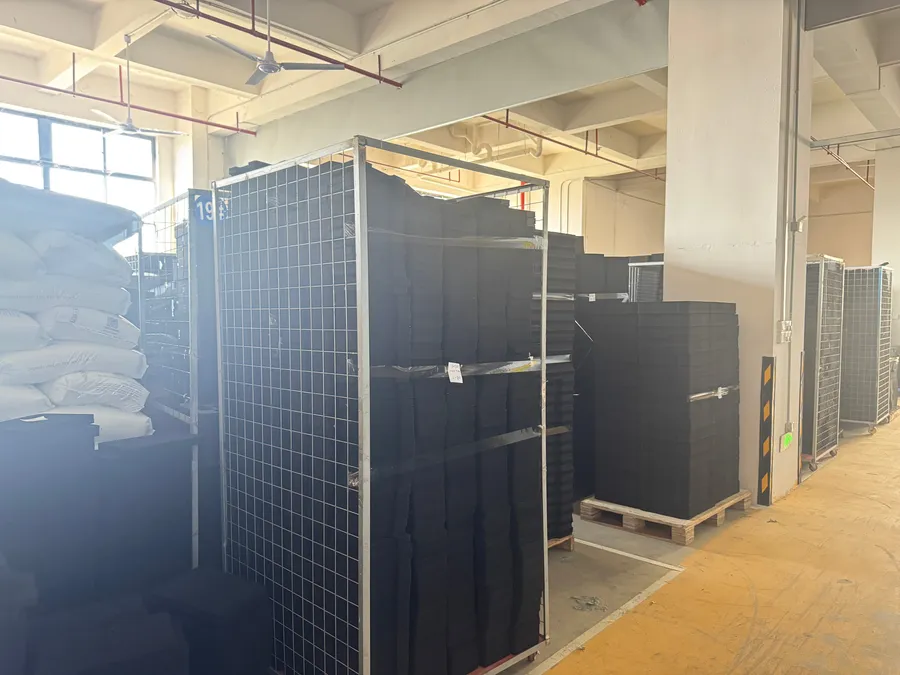
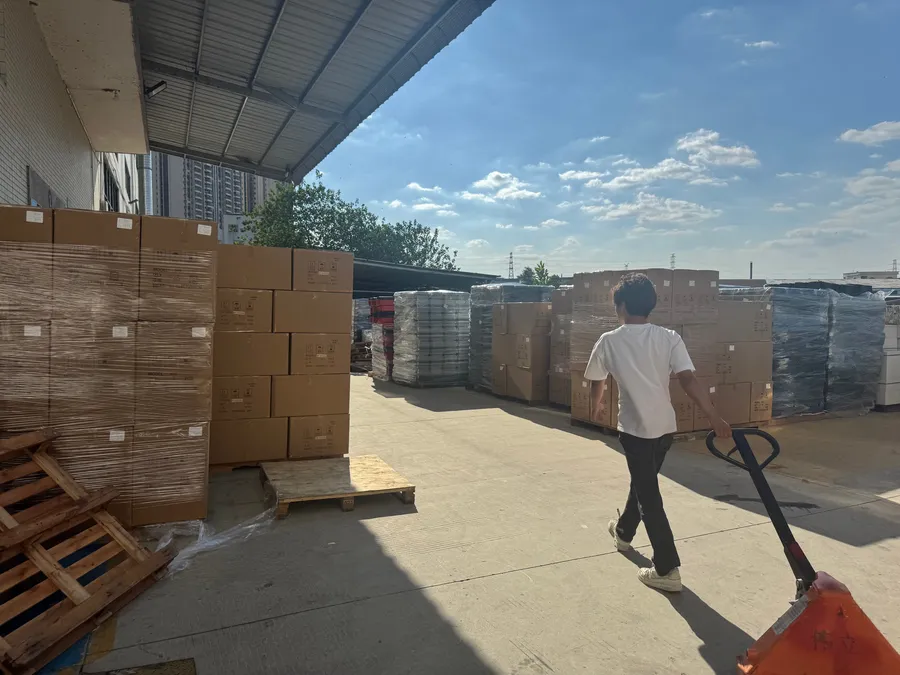
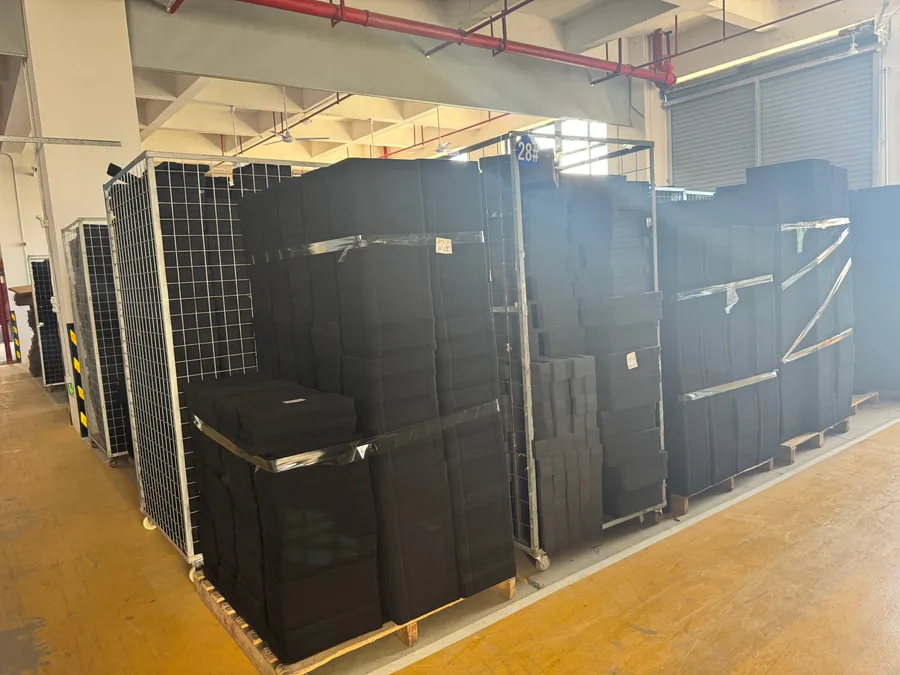
Customisation
Everything described above is configurable on a standard shell: interior layout (pick-and-pluck, die-cut or CNC-cut), foam grade and thickness, colour, logo method, latch and lock count, pressure-equalisation valve, cable ports, document holder and identification plate. A bespoke exterior geometry requires a new mould — 125 days, from 3,000 units per moulded component.
Procurement considerations
| Question | What to send us |
|---|---|
| Which shell fits? | Equipment L × W × H as packed, plus required clearance per axis |
| What does it cost? | Order quantity and estimated annual quantity — the two drive different answers |
| Is tooling needed? | Whether an existing shell clears the envelope with usable foam depth |
| Lead time? | Your required delivery date, not just the order date |
| Certification? | The exact standard your tender names — we will say whether we can test to it |
| Freight? | Destination and preferred terms; carton and pallet data supplied with the quotation |
Comparison and selection guide
The tables on this page exist because a protective case is chosen by comparing three things: the envelope, the environment and the handling chain. Where no table applies, the rule below is.
| Situation | What To Do |
|---|---|
| Fixed installation | Choose a box whose external height matches your racking pitch, and check the narrow internal width if the shell tapers. |
| Mobile use | Prefer a four-latch configuration and a lid that can be removed cleanly with gloves. |
| Inventory control | Specify a foam or partition layout so that a shortage is visible without opening compartments. |
- Size on internal dimensions plus clearance, never on a product name.
- Choose the carrying method before the shell: it changes the series, not just the price.
- Specify the interior last, and decide up front whether the end user will reconfigure it.
What determines the load capacity of a protective box? relates to Storage & Transport Box Guide. Related families: Ammunition Storage & Transport Boxes / Equipment Transport Cases / Military Protective Cases. Related sectors: field and industrial equipment. Continue in the Storage & Transport Box Guide cluster.
This page is written from our own production data. If your requirement differs, send the dimensions and we will tell you which of the 155 models fits, or whether a custom route is needed.