What is the difference between OEM and standard boxes?
A standard box is a mould we already own and publish in the catalogue: you order the model as-is, in the sizes, wall thickness and stacking rim listed on its page. An OEM box starts from one of those proven moulds but carries your brand, your colour, your insert layout and your carton, held to a drawing, photograph or physical sample you supply. The shell, the published internal size and the stacking behaviour do not change between the two; what changes is decoration, order thresholds and lead time. That is why most buyers use OEM to put a name on a known shape rather than to invent a new one, which is a different and slower route.
Key points
- Order a standard box when a published size already fits your stock and you can sell under a generic name; it removes tooling cost and risk entirely.
- Choose OEM when you want your logo, colour or foam layout on a shape that already exists, because the mould stays ours and you pay for decoration, not development.
- OEM floors start around 300 pieces for a logo, colour or insert change, while a brand-new mould is quoted from roughly 3,000 pieces per component.
- OEM on an existing mould runs about 45 days to the first sample; a new mould is near 125 days, so confirm which one you are actually buying before you commit.
- Ask for the per-model datasheet, not a brand promise: internal size, wall thickness and net weight are published per model, and any rating we have not measured is left blank.
The two terms, defined plainly
In this catalogue a standard box is any published model you can order directly: the internal dimensions, wall thickness, net weight and carton quantity are already on the product page, and you buy that exact tool in a stocked colour with optional generic foam. Nothing about the shell is created for you. An OEM box uses one of those same published tools but is finished to your identity instead of ours: your logo on the lid, your Pantone colour, your cut foam, your label and your packaging. The decision is therefore not about protection level; both routes come off the same mould with the same wall thickness. The decision is about who owns the visible surface and how many units you are willing to order to get it.
What a 'standard' order actually covers
A standard order is the low-friction path. You pick a model, confirm the published size against your kit, and place it. There is no development phase, no mould charge and no drawing approval, so the lead time is the shortest on the site. You can still add value without going OEM: pick-and-pluck or die-cut foam, a padlock through the latch body, and a colour from the stocked palette are all configuration choices against an existing tool rather than a new one. What you cannot do on a standard order is put your trademark on the shell or lock a private colourway to your line, because those changes move the job out of the catalogue and into a branded batch.
What changes when you go OEM
OEM keeps the tool and changes the finish and the paperwork. The shell geometry, wall thickness and stacking rim stay as published, so a KX-3213 that is 3.0 mm thick as a standard box is still 3.0 mm thick as an OEM box. What you take on are the commercial consequences of decoration: a minimum order for a printed logo or a matched colour, a sample round to approve artwork and Pantone before the run, and a slightly longer schedule than a stock order because the branding and carton artwork must be signed off first. If you need a size or a shape that is not published at all, that is no longer OEM on an existing mould; it is a new mould, with its own tooling time and a far higher piece threshold.
Standard versus OEM, side by side
| Aspect | Standard Box | Oem Box |
|---|---|---|
| Tooling | Existing catalogue mould, no development | Same mould, decorated to your brand |
| Minimum order | From a single unit to build a pallet | About 300 pieces for logo, colour or insert |
| First sample | Stock sample, no artwork cycle | About 45 days to approved sample |
| Brand surface | Generic / unbranded | Your logo, colour and carton |
| New size or shape | Not available; pick a listed model | Needs a new mould, about 3,000 pieces, 125 days |
| Shell thickness | As published per model | Identical, taken from the same tool |
Sizes and the numbers that matter
Whichever route you choose, the model is defined by published physical data, not by a marketing line. The tables below use real catalogue entries: internal dimensions in millimetres, the wall thickness of the shell, the net weight of the empty box and the number of pieces we ship per carton. Read them as a family, not as a single average: a small PP box such as the KX-3207 has a 3.0 mm wall and a 570 g shell, while a thicker ABS box such as the KX-63413 steps up to a 4.8 mm wall and a 1680 g shell. Depth is what usually drives the choice, so match internal height to your stacked items and take the rest of the number from the datasheet.
| Model | Material | Internal Mm | Internal Volume L | Wall Mm | Net | Pieces Per Carton |
|---|---|---|---|---|---|---|
| KX-3207 | PP | 308 x 230 x 64 mm | 4.5 | 3.0 | 570 g | 24 |
| KX-3213 | PP | 308 x 230 x 118 mm | 8.4 | 3.0 | 860 g | 16 |
| KX-3508 | Engineering PP | 344 x 268 x 72 mm | 6.6 | 3.0 | 995 g | 20 |
| KX-62810 | ABS | 253 x 182 x 86 mm | 4.0 | 4.0 | 900 g | 10 |
| KX-63413 | ABS | 310 x 255 x 106 mm | 8.4 | 4.8 | 1680 g | 10 |
| KX-63612 | ABS | 333 x 217 x 114 mm | 8.2 | 3.5 | 1300 g | 8 |
Choosing the right route
Start from the size, not the logo. If a published internal dimension already swallows your kit with room for an insert, a standard order is the cheapest and fastest answer and you can decorate later. If the size fits but you must carry your own brand for resale, tendering or a channel programme, OEM on the same tool is the right step, provided you can clear the order floor of roughly 300 pieces per configuration. If no published model fits, stop and price a new mould with eyes open: the tooling time and the 3,000-piece-per-component threshold make that a different decision than simply branding a box. The practical question is only whether you are decorating a known shape or inventing a new one.
Where each path is used
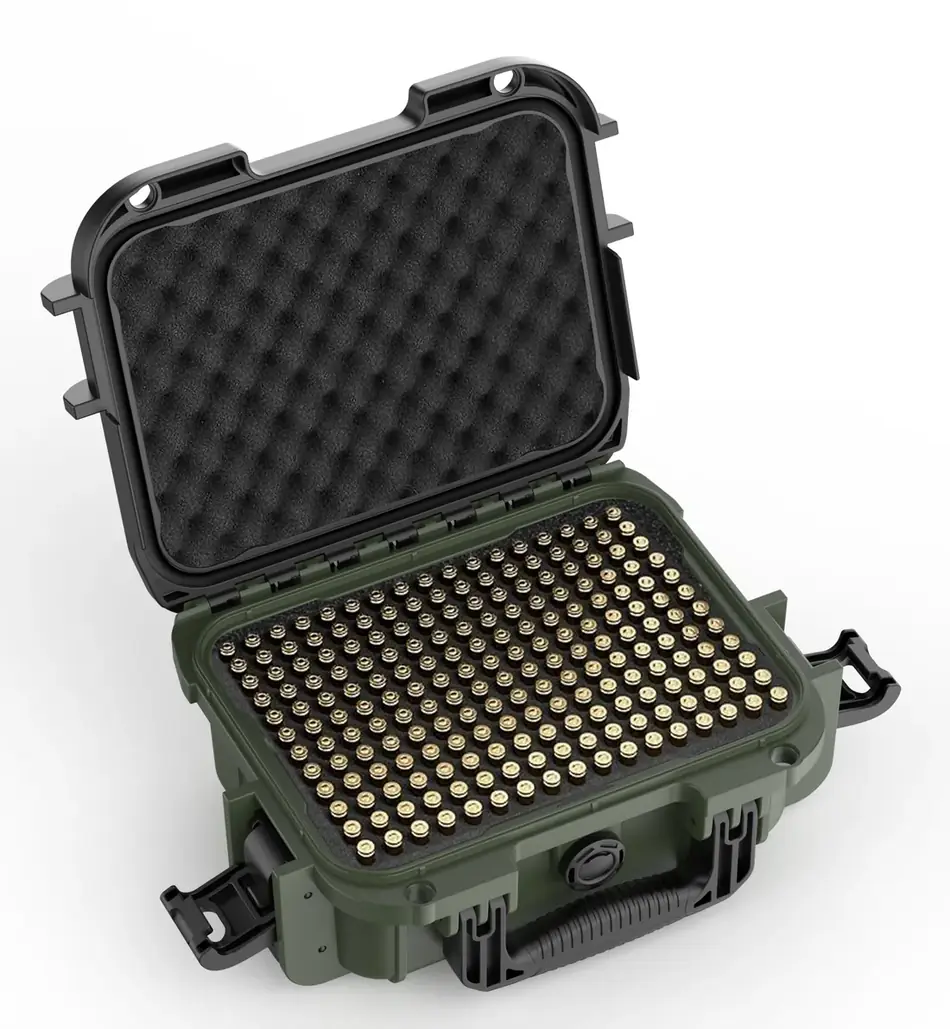
Standard boxes are common where the buyer is the end user: an armoury, a range, a workshop or a fleet that wants interchangeable, stackable containers and does not need the outside to say anything. OEM boxes appear when the container is part of a product: a kit that will be resold, a package that must match a catalogue, or a bundle whose perceived value lives on the lid. In both cases the physical job is the same, storing and moving a defined quantity as inventory, which is why the same ammunition and field boxes serve storage and transport alike and why the choice is commercial rather than structural.
Customising an OEM box
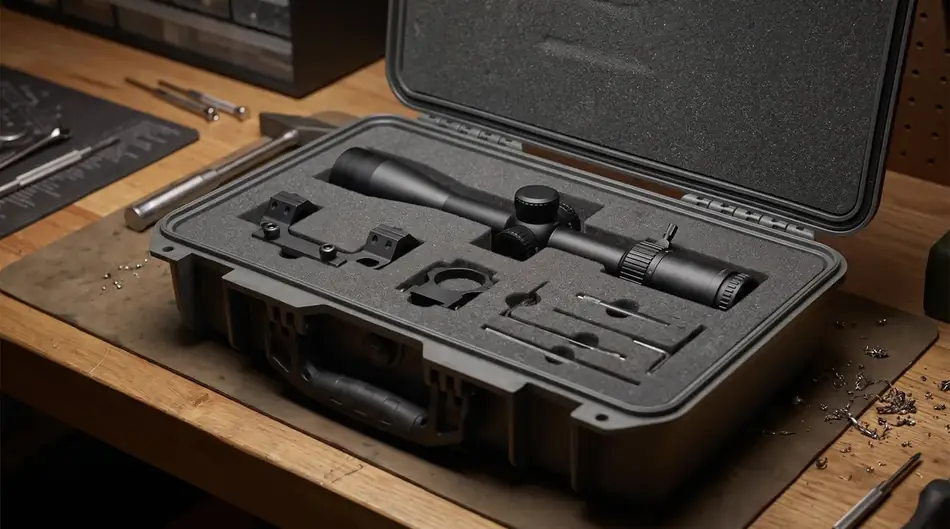
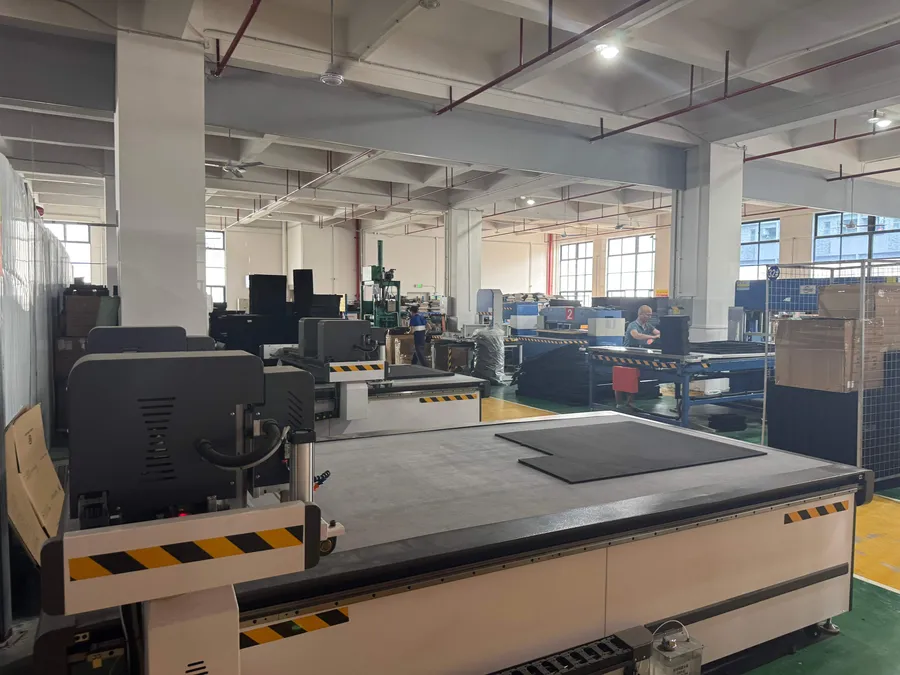
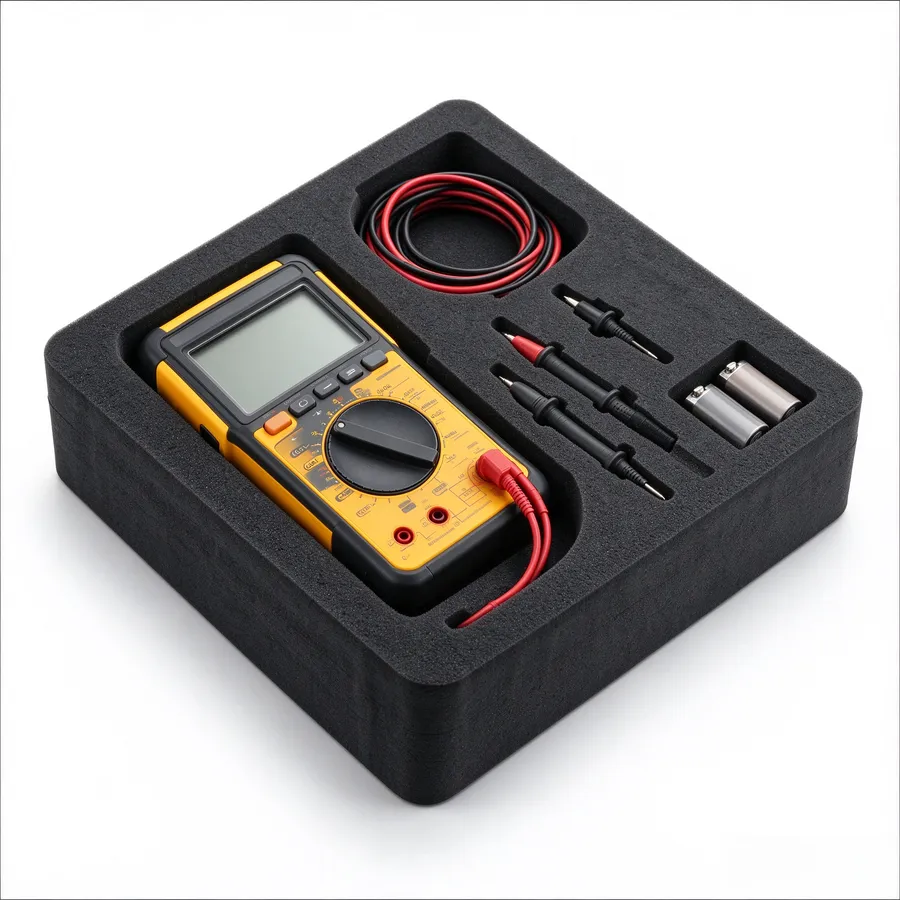
OEM is a menu of decoration around a fixed tool. Logo and colour are matched to your artwork and a Pantone reference; the foam is cut to your layout, from pick-and-pluck to die-cut or CNC profiles; and the carton, label and packaging carry your item codes. All of these are configuration against an existing mould, and each has its own order floor. Hardware such as latches, hinges, feet and handles follows the model's published build, with padlockable latches available on many shells. What we do not do is promise a rating we have not measured: if a datasheet leaves a protection field blank, that means it has not been tested for that configuration, and we would quote accredited testing separately rather than assert it.
Notes before you buy
Confirm you are comparing like with like. Ask which mould the quote uses, because two OEM boxes that look similar can sit on different tools with different wall thickness. Get the first-article sample approved for both the physical box and the artwork before the run. Fix the colour with a physical chip, not a screen. And read the business terms plainly: this is wholesale and OEM only, quoted EXW or FOB, with a deposit taken up front, and we do not retail, do not ship DDP and do not hold overseas stock. Anything a listing cannot back with a published measurement should be requested as a documented test against your chosen configuration.
Customisation
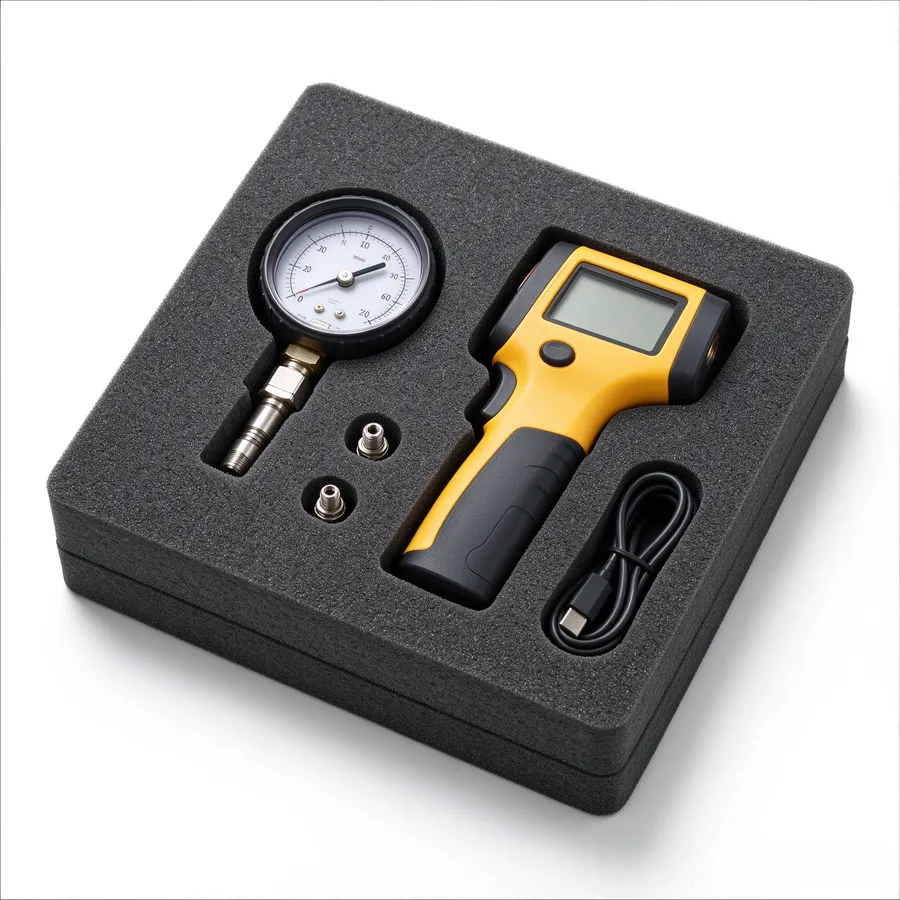
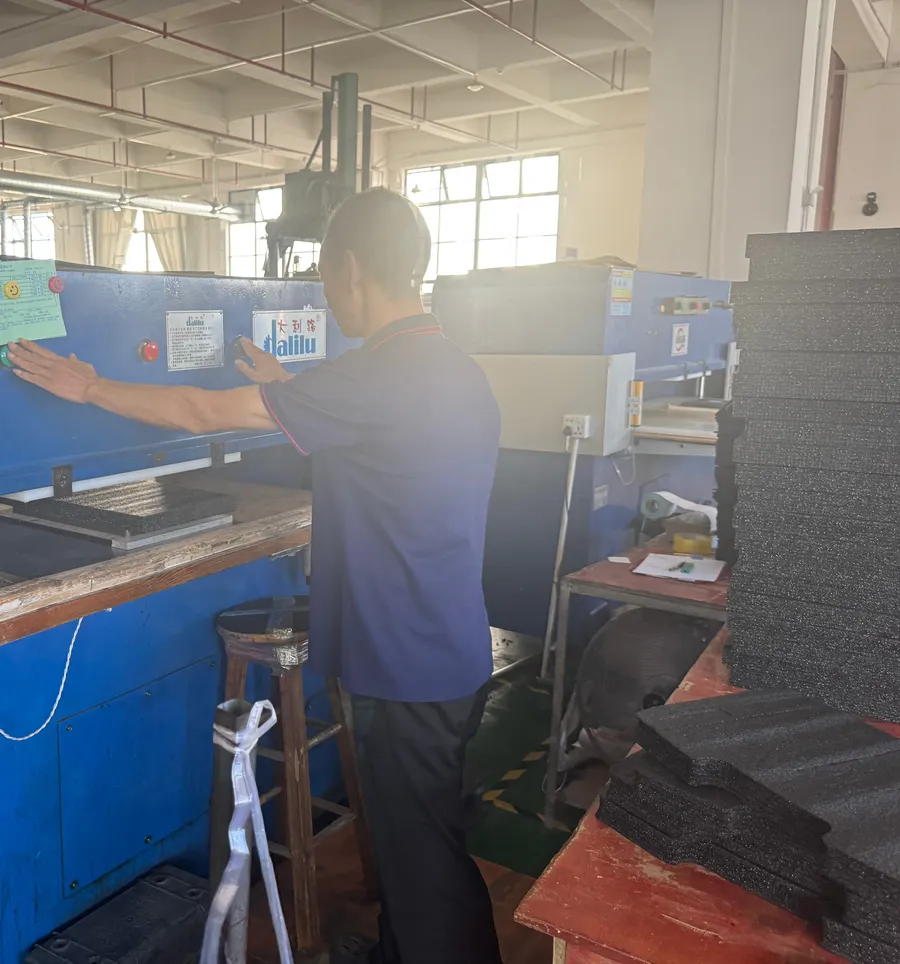
Everything described above is configurable on a standard shell: interior layout (pick-and-pluck, die-cut or CNC-cut), foam grade and thickness, colour, logo method, latch and lock count, pressure-equalisation valve, cable ports, document holder and identification plate. A bespoke exterior geometry requires a new mould — 125 days, from 3,000 units per moulded component.
Procurement considerations
| Question | What to send us |
|---|---|
| Which shell fits? | Equipment L × W × H as packed, plus required clearance per axis |
| What does it cost? | Order quantity and estimated annual quantity — the two drive different answers |
| Is tooling needed? | Whether an existing shell clears the envelope with usable foam depth |
| Lead time? | Your required delivery date, not just the order date |
| Certification? | The exact standard your tender names — we will say whether we can test to it |
| Freight? | Destination and preferred terms; carton and pallet data supplied with the quotation |
Comparison and selection guide
The tables on this page exist because a protective case is chosen by comparing three things: the envelope, the environment and the handling chain. Where no table applies, the rule below is.
| Situation | What To Do |
|---|---|
| Fixed installation | Choose a box whose external height matches your racking pitch, and check the narrow internal width if the shell tapers. |
| Mobile use | Prefer a four-latch configuration and a lid that can be removed cleanly with gloves. |
| Inventory control | Specify a foam or partition layout so that a shortage is visible without opening compartments. |
- Size on internal dimensions plus clearance, never on a product name.
- Choose the carrying method before the shell: it changes the series, not just the price.
- Specify the interior last, and decide up front whether the end user will reconfigure it.
What is the difference between OEM and standard boxes? relates to Storage & Transport Box Guide. Related families: Ammunition Storage & Transport Boxes / Tactical Equipment Cases / Tool Cases / Military Protective Cases. Related sectors: field and industrial equipment. Continue in the Storage & Transport Box Guide cluster.
This page is written from our own production data. If your requirement differs, send the dimensions and we will tell you which of the 155 models fits, or whether a custom route is needed.