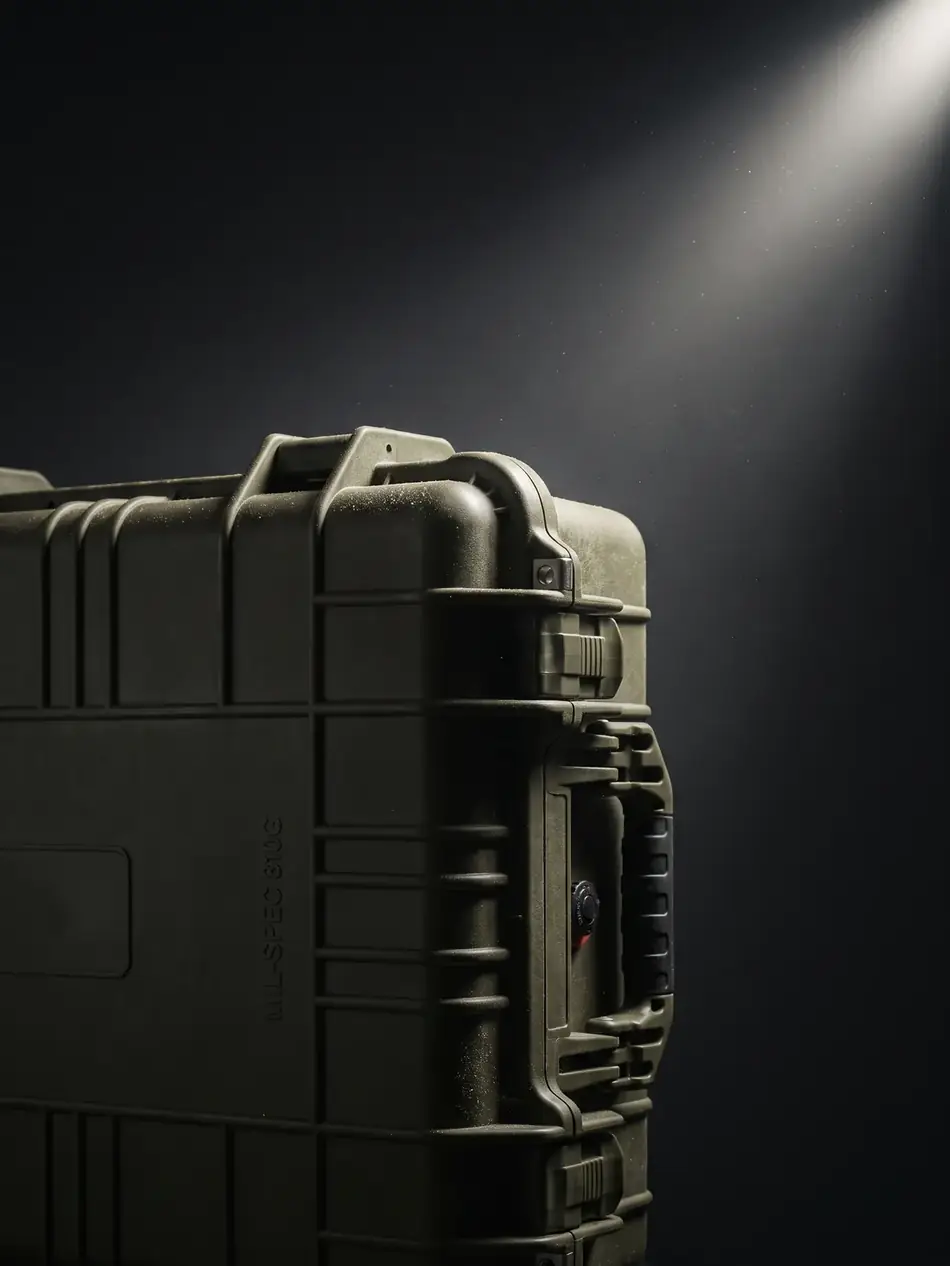
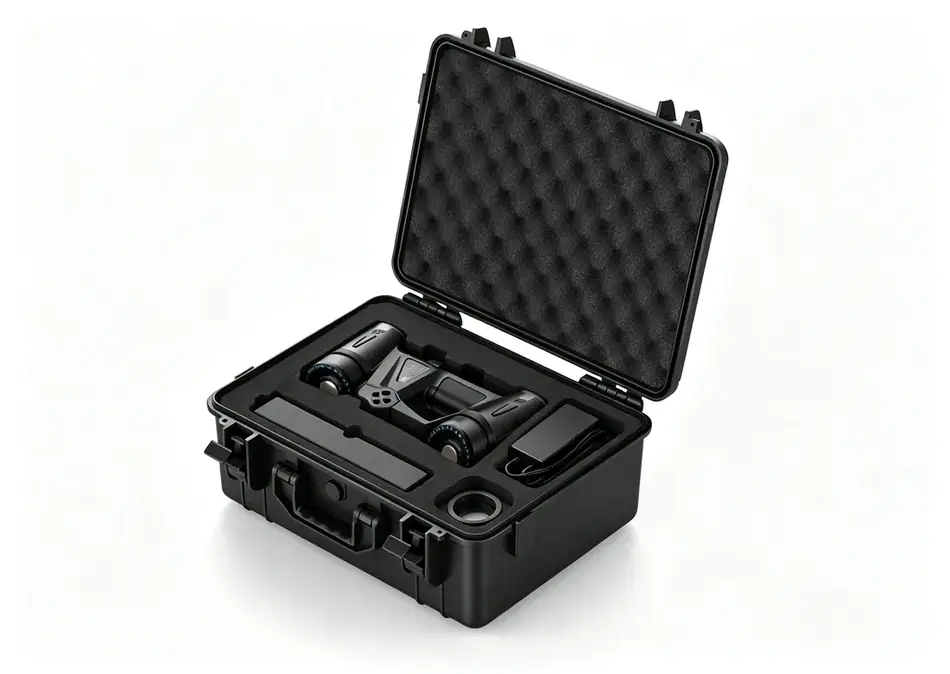
What type of protective case is suitable for measurement equipment?
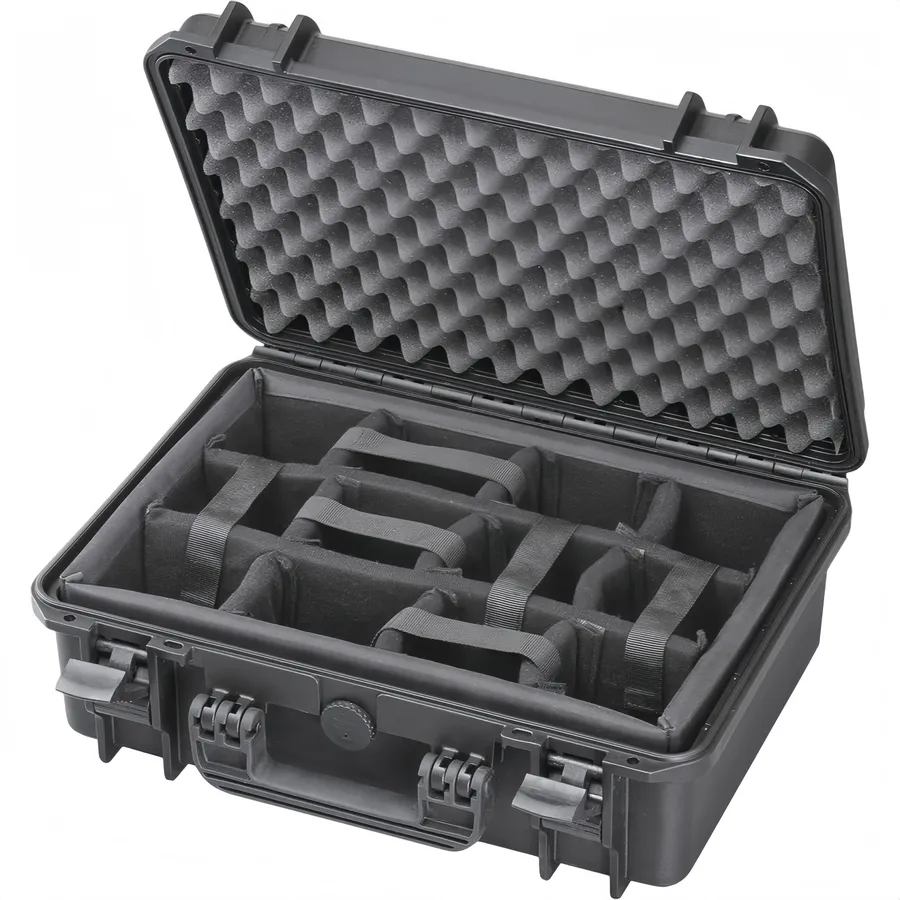
Choose a rigid two-shell polypropylene or ABS case whose internal dimensions, wall thickness and gasket channel match the instrument you actually ship, then specify a foam insert that fixes the body, the probes and the accessories separately. Small benchtop meters fit shallow PP utility shells; field survey, laser, geodetic and calibration instruments usually need an ABS or engineering-PP shell in the 4 to 6 mm wall range with a compressible gasket in a continuous moulded channel; larger rigs on tripods or with carrying handles fit long-format cases in the 9 series or trolley shells. KeXin publishes dimensions and wall thickness per model, and only lists drop, seal or load data where it has been measured on that specific SKU.
Key points
- Match the case to the instrument class first, then pick the shell material from the wall thickness and seal options that the specific SKU publishes.
- Interior fixation of the probe, cables and accessories is what actually protects a measurement device; the outer shell only carries the impact.
- Seal channel and gasket are model-level options, not a family feature; ask for the model's published seal type rather than assuming one.
- Where protection data has not been measured on a given SKU, KeXin records it as not measured, so unmeasured claims never appear on a data sheet.
- For batches above the OEM logo threshold, the same shell can be branded, colour-matched and packaged to a buyer's own SKU without a new mould.
- A new mould for a bespoke interior geometry runs on the standard OEM lead time, so plan calibration-cycle changes around that schedule.
Interior fixation does the real work
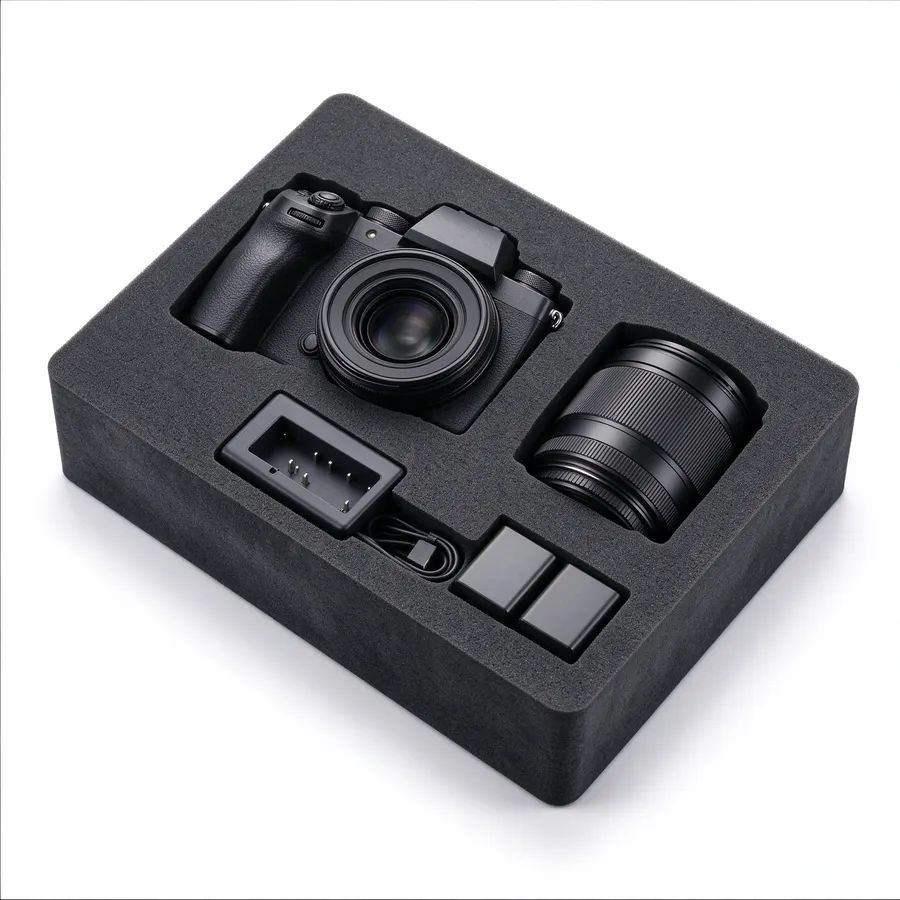
The failure mode of most measurement instruments in transit is not a crushed shell but an internal part that shifted and hit another internal part. A theodolite, a laser rangefinder, a total station, a handheld spectrum analyser or a portable CMM probe each has a different centre of mass and different fragile protrusions. Specify a top and a bottom layer of foam that isolate the body, the display panel, the sighting head, the eyepiece, the antenna stub and the battery pack as separate cavities, and give cables, chargers, manuals and spare cells their own channels. Pick-and-pluck or CNC-cut closed-cell PE or EVA layered to the model's usable interior depth is the baseline; when the buyer's own equipment list is available, KeXin produces die-cut or CNC-cut inserts to that drawing rather than guessing from a photo.
Shell material and wall thickness
Two shell families carry most measurement-equipment shipments. The injection-moulded polypropylene line covers utility sizes and mid-size instrument shells, and the ABS or engineering-PP thick-wall line covers the deeper, higher-inertia units. Wall thickness is a per-model figure and it is what determines impact behaviour more than material choice alone. As a worked example, the published datasheet for KX-65522 lists an ABS shell with a 5.3 mm wall, KX-85025 lists engineering PP at 4.5 mm, and KX-6621 lists engineering PP at 6.0 mm. The 8-series and 9-series thick-wall shells are the ones that keep their shape when the lid takes a corner load in the back of a service van; the 0 through 5-series utility shells are more often used as accessory cases, cable cases and small-instrument trays inside a larger kit.
Seal channel and gasket
A continuous moulded channel around the shell rim with a compressible gasket is the practical feature that keeps dust and spray out of an instrument during a field campaign. KeXin records seal type per model as measured where the channel is present, and where the channel is not present it is stated as not offered on that shell rather than filled in with a generic claim. KX-65522, KX-85025 and KX-6621 all publish a seal channel with a compressible gasket; KX-6922 is one of the older shells listed with no seal offered. Buyers who ship instruments that must survive a dusty or rainy campaign should filter by SKU-level seal availability before committing to a wall-thickness range, and combine it with the accessory options the specific model lists, such as a pressure-relief valve or a document holder.
How published dimensions translate to usable interior
| Model | Internal Mm | Series Shell | Wall Mm | Seal Type | Net Weight G |
|---|---|---|---|---|---|
| KX-65522 | 507 x 385 x 190 | 6 Series ABS | 5.3 | Compressible gasket in continuous channel | 4860 |
| KX-85025 | 463 x 338 x 231 | 8 Series Engineering PP | 4.5 | Compressible gasket in continuous channel | Per model datasheet |
| KX-6621 | 587 x 434 x 192 | 9 Series Engineering PP | 6.0 | Compressible gasket in continuous channel | 6420 |
Feature priority by instrument class
| Instrument Class | Interior | Shell | Notes |
|---|---|---|---|
| Handheld meter or probe | Pick-and-pluck in a 0 to 5 series utility shell | PP utility shell | Accessory tray inside a larger kit |
| Benchtop analyser transport | Layered CNC-cut foam | 6 or 8 series ABS or engineering-PP shell | Fix master device and handling jig separately |
| Total station or level | Base cavity plus tripod and prism pocket | 9 series thick-wall shell | Deep lid, full-perimeter latch |
| Laser scanner or LiDAR unit | Die-cut EVA with connector relief | Gasketed 8 series shell | Gasket option per model |
| Field data logger or RTK rover | Cable channel and antenna pocket | 6 series ABS shell with seal | Spare battery channel |
Typical deployment scenarios
Survey crews on foot usually need one 6 or 8 series shell for the instrument and a smaller utility case for the range poles, prisms and target mounts. Service engineers who drive between sites can carry the instrument in a trolley-format shell with the same base cavity so the tool is picked up, not unpacked. Laboratories moving calibration standards or transfer equipment typically specify a 5 to 8 series gasketed shell with an interior that fixes the master device and its handling jig separately so neither can shift laterally during a road transfer. In defence and public-safety contexts, the same shells are configured with the buyer's own logo, colour and packing list, which is why the interior drawing usually carries more procurement weight than any single outer-shell number.
Customising for a real instrument list
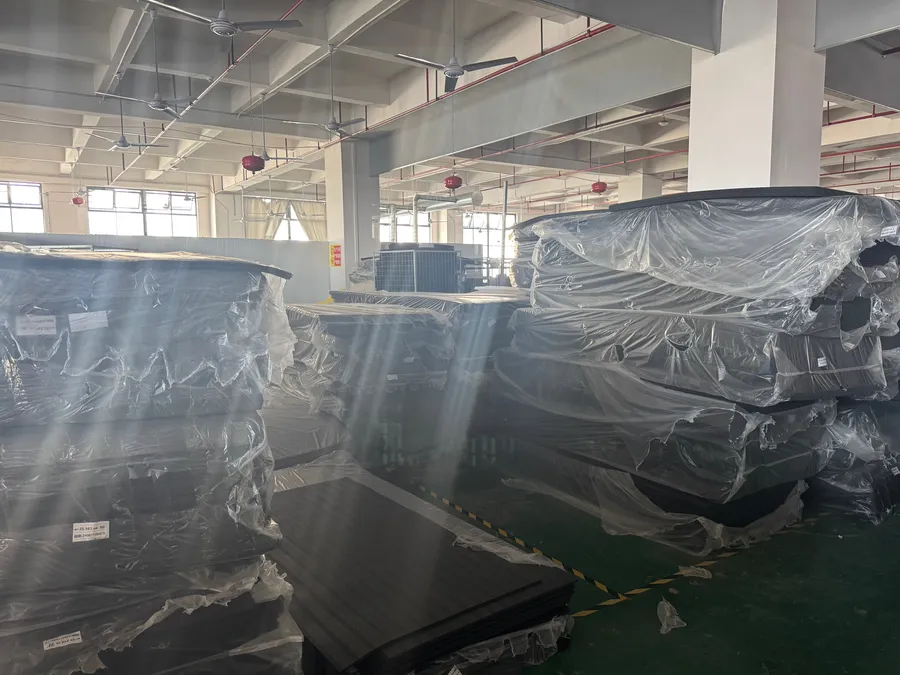
Send the exact instrument, probe, cable and accessory list, together with any mounting plate, and the factory returns a layered foam proposal against the chosen SKU's usable interior. Standard OEM changes such as silk-screened or in-mould logo, case colour matching to a buyer's Pantone, and buyer-branded packaging are all covered on existing moulds and start at the model's listed OEM quantity band, generally 300 pieces for logo and colour and 3,000 pieces for a new mould, per the standard OEM terms. New-mould projects follow the standing lead time of about 125 days after drawing sign-off; a first sample on an existing mould follows the 45-day OEM sample window. The commercial terms are wholesale and OEM only, quoted EXW or FOB, and there is no retail, DDP or overseas warehouse arrangement.
Procurement notes for measurement-equipment buyers
Ask for the specific SKU's published internal dimensions, published wall thickness and seal type; do not accept a family-level claim. Where a value is marked not measured on that model's datasheet, treat it as untested rather than extrapolate from a neighbouring SKU. Confirm the usable interior after foam subtracts from the internal dimensions before signing on an insert layout, and request the drawing that will govern the die-cut run. For a mixed fleet, lock one shell series so stackability, spare foam, lids and hardware are interchangeable across the instrument list. A deposit of 30 percent against the proforma is the standard order-start condition; balance is settled before shipment under EXW or FOB terms.
Customisation
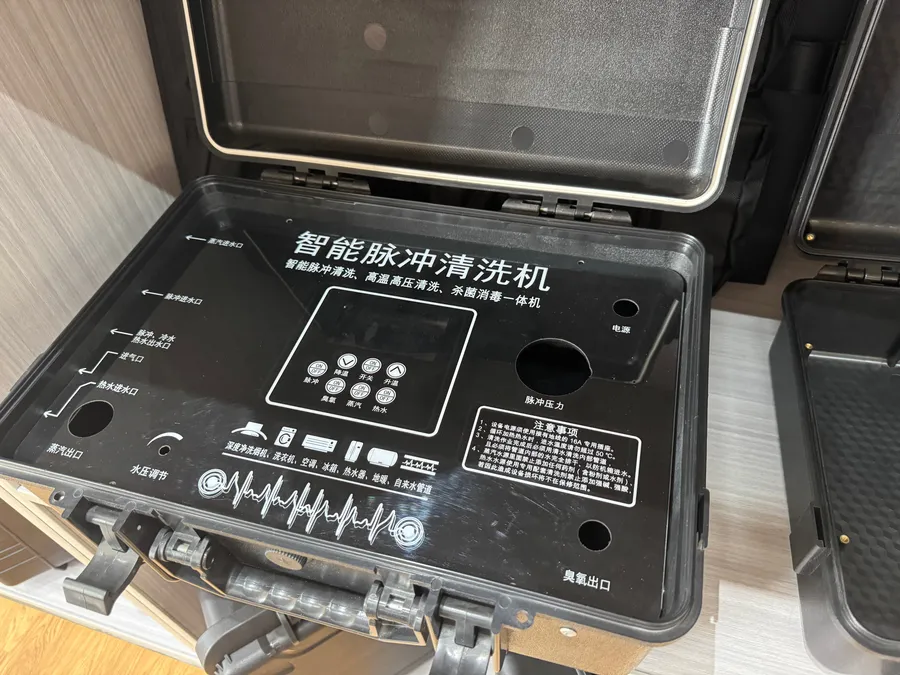
Everything described above is configurable on a standard shell: interior layout (pick-and-pluck, die-cut or CNC-cut), foam grade and thickness, colour, logo method, latch and lock count, pressure-equalisation valve, cable ports, document holder and identification plate. A bespoke exterior geometry requires a new mould — 125 days, from 3,000 units per moulded component.
Procurement considerations
| Question | What to send us |
|---|---|
| Which shell fits? | Equipment L × W × H as packed, plus required clearance per axis |
| What does it cost? | Order quantity and estimated annual quantity — the two drive different answers |
| Is tooling needed? | Whether an existing shell clears the envelope with usable foam depth |
| Lead time? | Your required delivery date, not just the order date |
| Certification? | The exact standard your tender names — we will say whether we can test to it |
| Freight? | Destination and preferred terms; carton and pallet data supplied with the quotation |
Comparison and selection guide
The tables on this page exist because a protective case is chosen by comparing three things: the envelope, the environment and the handling chain. Where no table applies, the rule below is.
| Situation | What To Do |
|---|---|
| Free-drop height | With a 50 mm base foam layer, a 15 kg assembly sees a markedly lower peak deceleration than with 20 mm. Where the case is handled by hand off a vehicle, we specify the deeper base. |
| Stacking | A case that will be shipped stacked needs a wall thickness and rim geometry that carries the load through the shell, not through the lid. |
- Size on internal dimensions plus clearance, never on a product name.
- Choose the carrying method before the shell: it changes the series, not just the price.
- Specify the interior last, and decide up front whether the end user will reconfigure it.
What type of protective case is suitable for measurement equipment? relates to Military Case Guide. Related families: Defense Equipment Cases / Optical Equipment Cases / Instrument & Equipment Cases / Military Protective Cases. Related sectors: field and industrial equipment. Continue in the Military Case Guide cluster.
This page is written from our own production data. If your requirement differs, send the dimensions and we will tell you which of the 155 models fits, or whether a custom route is needed.